
 РУССКИЙ
 9:59 08.02.2026 •
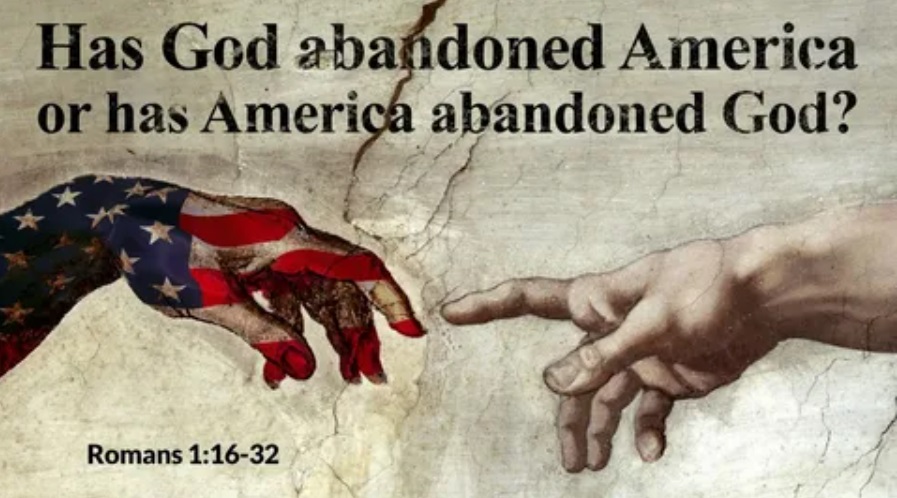
The U.S. is undergoing its fastest religious shift in modern history, marked by a rapid increase in the religiously unaffiliated and numerous church closures nationwide.
Why it matters: The great unchurching of America comes as identity and reality are increasingly shaped by non-institutional spiritual sources — YouTube mystics, TikTok tarot, digital skeptics, folk saints and AI-generated prayer bots.
It's a tectonic transformation that has profound implications for race, civic identity, political persuasion and the ability to govern a fracturing moral landscape.
By the numbers: Nearly three in 10 American adults today identify as religiously unaffiliated — a 33% jump since 2013, according to the nonpartisan Public Religion Research Institute (PRRI).
That's quicker than almost any major religious shift in modern U.S. history, and it's happening across racial groups, an Axios analysis found.
About four in ten Americans ages 18 to 29 identify as religiously unaffiliated (38%), an increase from 32% in 2013, PRRI said.
Zoom in: Around 57% of Americans today seldom or never attend religious services, a jump from 40% in 2000, per a recent Gallup survey.
An unprecedented 15,000 churches are expected to shut their doors this year, far more than the few thousand expected to open, according to denominational reports and church consultants.
Leading experts say that — before the pandemic — a church should expect to lose about 15% of its members year over year — a rate of 1.2 million leaving churches annually nationally. That number has likely accelerated since then.
Between the lines: The racial makeup of Christians within each party is vastly different, and that is shaping the influence of faith voters on Democrats' and Republicans' platforms.
Within the Republican party, the largest group is white Christians (68%) and only 12% identify as religiously unaffiliated, per PRRI.
Among Democrats, Christians of color (35%) and religiously unaffiliated (34%) make up the bulk of the party.
The intrigue: As Americans unchurch, YouTube channels like Spiritual Manifestation attract hundreds of thousands of subscribers who share mysticism, spiritual insight, and "inner wisdom" content online.
YouTube videos of speeches attacking religion have drawn millions of views.
AI and chatbot technology are being used by millions for spiritual guidance, confession and prayer, with apps like Bible Chat reaching more than 30 million downloads.
Reality check: There is no widespread academic or mainstream evidence of a large-scale national religious awakening, PRRI CEO Melissa Deckman tells Axios.
Despite anecdotal and media reports about Gen Z men returning to church, there's little evidence it's happening beyond scattered examples to reverse the overall decline, she said.
The bottom line: The old religious map is disappearing.
The new one — digital, more secular, decentralized and deeply fragmented — is only beginning to take shape.
read more in our Telegram-channel https://t.me/The_International_Affairs

















