РУССКИЙ
 9:37 12.06.2026 •
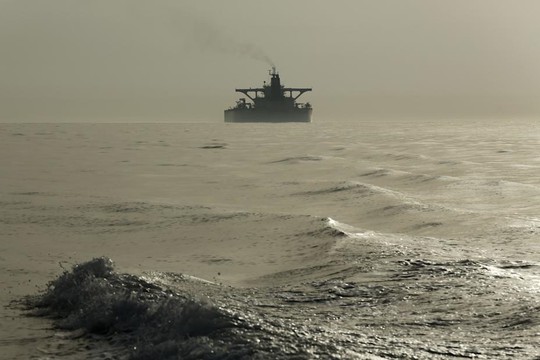
Photo: Bloomberg
Russia is exporting the most crude since 2022 as Kyiv's record attacks on its neighbor's oil refineries force more barrels into the global market, Bloomberg writes.
Moscow’s year-to-date shipments are running at 3.46 million barrels a day, about 120,000 barrels a day higher than 2025, and exceed the annual averages for each year since Moscow’s troops marched into Ukraine in February 2022.
Flows have recovered from an earlier slump caused by strikes on key export facilities on the Black Sea and Baltic, as Kyiv switches its focus back to Russia’s refineries and oil pumping stations.
Four-week average crude shipments were 3.64 million barrels a day in the period to May 31, little changed from the revised 3.68 million in the 28 days to May 24, tanker-movements data compiled by Bloomberg show. And with global oil prices boosted by the war in Iran and the effective closure of the Strait of Hormuz, the value of Moscow’s shipments in recent weeks has exceeded even the levels seen in the first months of the Ukraine war.
Moscow has found a ready market for its higher flows after the US and Israel launched attacks on Iran at the end of February, prompting Tehran to effectively close the Strait of Hormuz. That’s halted about 15 million barrels a day of crude flows from the Persian Gulf, with only about one-third of that diverted to other routes, leaving refiners scrambling for alternatives and the price of Russian crude soaring alongside global benchmarks. US President Donald Trump aided the Kremlin by waiving sanctions on its shipments, making it easier for Indian processors, in particular, to boost purchases.
With Russia’s daily shipments in the past four weeks running about 300,000 barrels higher than during the first quarter, the amount of its oil at sea continues to edge higher, reaching 124 million barrels on Sunday, up by about 25% from a mid-April low. Almost all of that is now on ships in transit, rather than idling at sea, tanker-tracking data show.
India emerged as a lifeline for Russian oil exports after Moscow’s invasion of Ukraine led European buyers to shun those barrels. Purchases of Russian crude by the south Asian nation soared to as much as 2 million barrels a day from almost none previously, before dropping back to half that level as the US began to tighten sanctions on buyers of the Kremlin’s oil.
Flows by Destination
Observed shipments to Russia’s Asian customers, including those showing no final destination, rose to 3.52 million barrels a day in the 28 days to May 31, up from a revised 3.49 million in the period to May 24.
While the amount of Russian crude on tankers showing destinations in China and India combined continues to show sharp declines in the most recent weeks, the volume on vessels yet to show a final destination has soared, allowing for much of that pattern to be reversed in time. Tankers frequently show interim destinations, such as Suez or Port Sudan, until they are well across the Arabian Sea, while some never show a final calling point, even after mooring to discharge.
read more in our Telegram-channel https://t.me/The_International_Affairs