РУССКИЙ
 10:01 18.03.2026 •
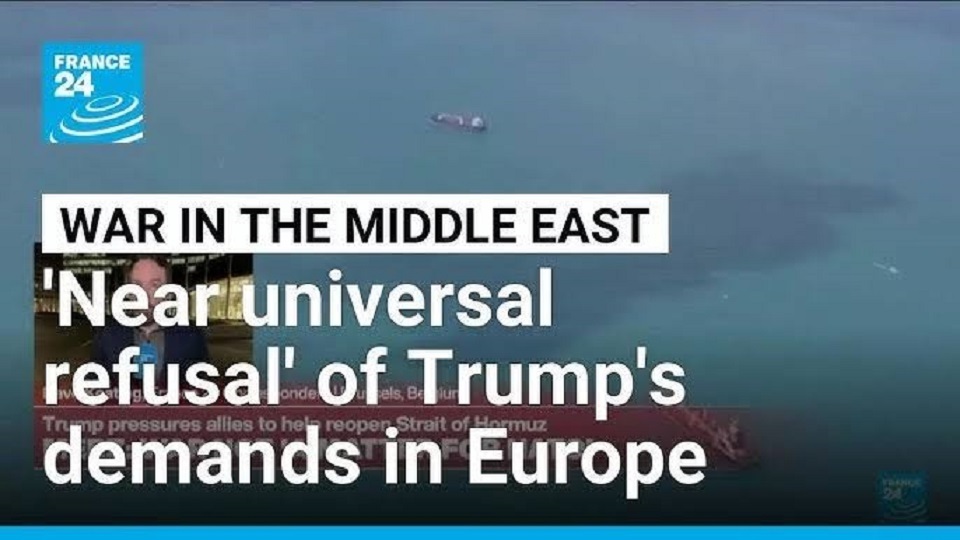
“This is not Europe’s war,” EU tells Washington in bruising rebuke on Iran even as oil prices rise, POLITICO stresses.
Europe's message to Donald Trump on Monday was clear: We're not helping you secure the Strait of Hormuz.
Foreign ministers from the 27 EU countries gathered in Brussels to discuss the American president’s call for European countries to help secure the narrow waterway, a vital oil shipping channel that Iran has largely blocked in retaliation for U.S. and Israeli airstrikes.
Among the ideas floated was expanding the mandate of the EU’s naval mission — Aspides — to allow European warships to be sent to patrol the strait between the Persian Gulf and the Gulf of Oman.
But after hours of closed-door talks about the war in Iran, Europe’s foreign envoys made clear they see this as America’s problem to solve.
“Europe has no interest in an open-ended war,” EU top diplomat Kaja Kallas said Monday evening after the meeting. “This is not Europe’s war, but Europe’s interests are directly at stake.”
Although there was a “clear wish” among ministers “to strengthen” the EU’s naval mission in the Middle East, “there was no appetite in changing the mandate,” Kallas said, referring to sending warships to the strait.
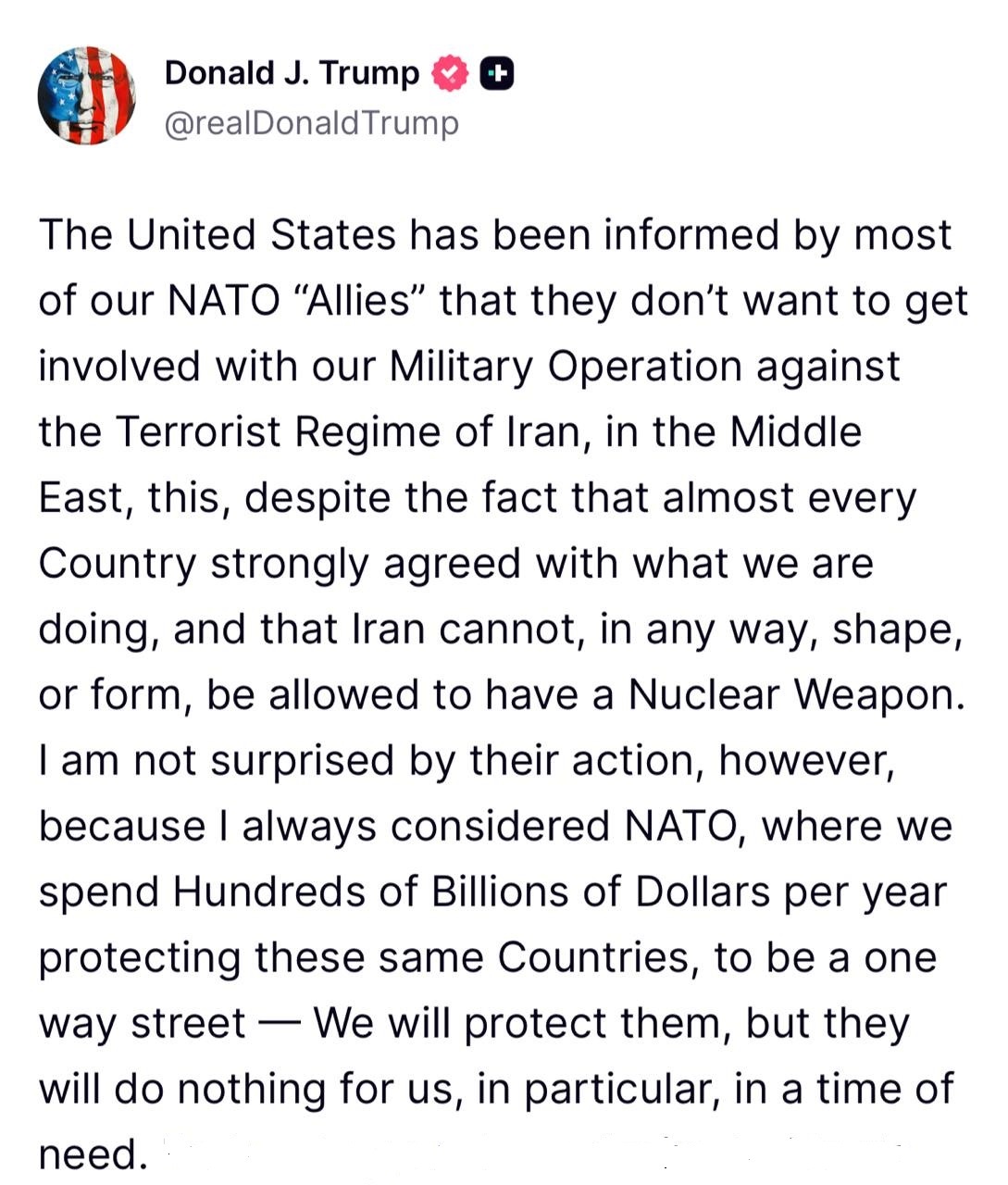
Trump told the Financial Times at the weekend it would be "very bad for the future of NATO" if European countries failed to respond to his call for help. He wrote on social media that he was in contact with seven countries about securing the strait, without naming which countries he was referring to.
Trump was adamant that "we don't need anybody" and "we're the strongest nation in the world," but his request for assistance was a test of solidarity, to see how European countries would react, as Iran's closure of the strait drives up oil prices.
"I've been saying for years that if we ever did need them, they won't be there," the U.S. president said.
European capitals clearly don't want to get involved, though — and wish Trump would stop asking.
“The Americans chose this path, together with the Israelis,” German Defense Minister Boris Pistorius said, adding that Germany’s main responsibility was to defend NATO territory.
“We did not start this war,” Pistorius stressed.
Luxembourg's Deputy Prime Minister Xavier Bettel went even further, stressing his country would not give in to "blackmail" from Washington. “Don't ask us” to send troops, Bettel told reporters in Brussels.
So far, the U.S. hasn’t formally asked NATO countries for support as part of the alliance's framework, two of the diplomats said.
read more in our Telegram-channel https://t.me/The_International_Affairs