
 РУССКИЙ
 11:25 08.04.2026 •
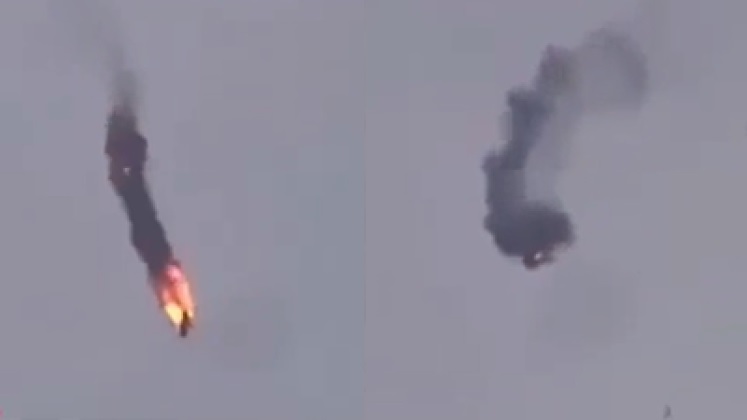 Second U.S. Army Black Hawk helicopter crashing over Iran
Photo: MWM
Following the shootdown of a U.S. Air Force F-15E Strike Eagle fighter over Iranian territory, the United States Armed Forces’ efforts to recover the two airmen that ejected and parachuted into Iran have resulted in losses of aircraft on a scale unprecedented in the post-Cold War era. After the U.S. launched a rapid rescue mission, a standard doctrine for downed aircrew, HC-130J Combat King II personnel recovery support aircraft HH-60W combat rescue helicopters, and UH-60 Black Hawk transport helicopters were confirmed to have been flying over Iran, while A-10 attack jets and MQ-9 drones provided further support. Engagements with Iranian forces saw a total of 11 aircraft lost, ‘Military Watch Magazine’ reports.
While operating at low altitudes over Iran, two UH-60 helicopters, two MQ-9 unmanned aircraft, an A-10 reported to have been providing air cover, and a supporting Israeli Hermes 900 reconnaissance drone, were all shot down by Iranian air defences. Two separate pieces of footage showing two Black Hawks crashing gained particular publicity following the engagements.
Additional losses were incurred after two HC-130J Combat King II search and rescue aircraft and two MH-6 helicopters landed in Iran, and were reported by U.S. sources to have been unable to take off leading U.S. forces to destroy them on the ground to deny them to Iranian forces.
Debris of at least two HC-130J rescue aircraft and MH-6 helicopter after destruction in Iran
 Photo: MWM
The extent of U.S. losses, which amount to ten aircraft in total as well as a single Israeli aircraft, highlight the considerable risks inherent to operating aircraft over Iranian territory. Nevertheless, the rapid depletion of U.S. and Israeli beyond visual range missile arsenals has increasingly forced the services of both countries to operate closer to or within Iranian airspace to use lower cost and more abundant gravity bombs, posing significantly greater risks. Although in the final week of March the U.S. Armed Forces and the Israeli Air Force were reported to have considerably reduced deep penetration strikes over Iranian territory, following the confirmed successful surface-to-air attack on an F-35 fifth generation fighter on March 19, the severity of missile shortages means that such flights are expected to continue even if major losses are sustained.

...Washington still hasn't revealed how many of their soldiers they lost — several days have passed since the operation.
It was impossible to evacuate all the pilots and special forces from the crashed planes and helicopters. It means, many died. But the Americans prefer to remain silent about it. They rescued one pilot — that's not a fact, he still hasn't been shown to the public.

read more in our Telegram-channel https://t.me/The_International_Affairs

















