
 РУССКИЙ
 10:44 08.03.2026 •
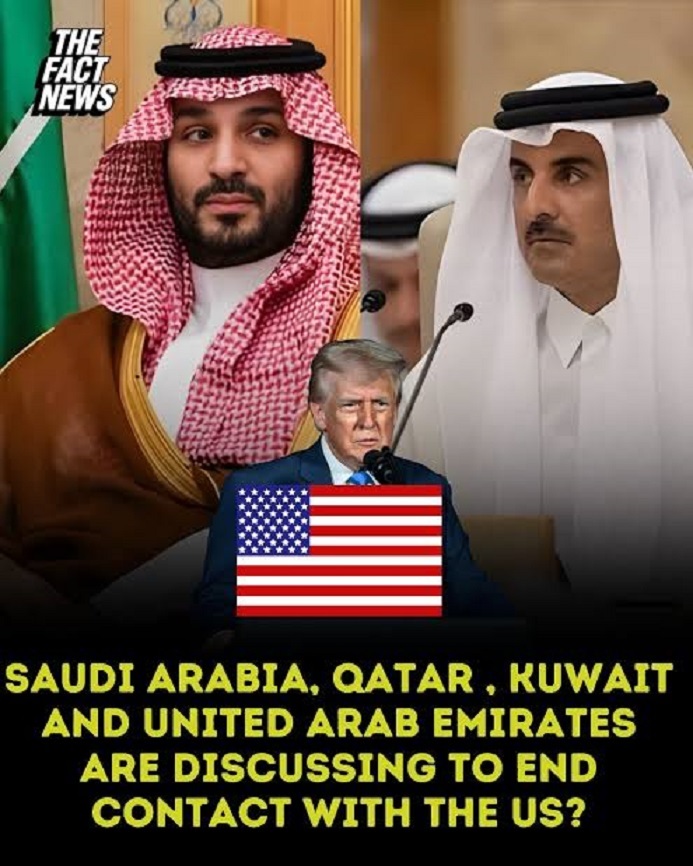
Rising costs from the ongoing US-Israeli campaign against Iran are putting pressure on Gulf states’ budgets. According to the latest report from the Financial Times, this could lead them to rethink overseas investments and future financial commitments.
The Gulf states have been drawn into the conflict, with Tehran retaliating strongly against US allies in the region. The war has disrupted shipping through the Strait of Hormuz, a critical route for a fifth of the world’s oil and gas, and at least 10 tankers have been hit in the Gulf.
A Gulf official told the Financial Times that the war could affect many areas. This includes investment promises to foreign countries or companies, sports sponsorships, business contracts, and even the sale of existing holdings.
Gulf states may reconsider overseas investments
The official said that three of the four major Gulf economies, Saudi Arabia, the United Arab Emirates, Kuwait, and Qatar, have discussed the pressure on their budgets and economies. However, they did not specify which states were involved.
“A number of Gulf countries have begun an internal review to determine whether force majeure clauses can be invoked in current contracts, while also reviewing current and future investment commitments in order to alleviate some of the anticipated economic strain from the current war,” the official told FT. “Especially if the war and related expenses continue at the same pace.”
An adviser to a Gulf government later told FT, “The prospect of an investment review by these wealthy states has caught the White House’s attention.” These countries manage some of the world’s largest sovereign wealth funds. Saudi Arabia, the UAE, and Qatar had pledged hundreds of billions of dollars in US investments last year after President Donald Trump’s visit to the region.
Why is Gulf voicing frustration?
Officials told FT that any move by Gulf states to adjust investments in the US or other Western countries may increase pressure on Trump to pursue a diplomatic solution to end the conflict.
Many in the Gulf have expressed anger at being pulled into the war. Khalaf al-Habtoor, a prominent Emirati businessman, addressed Trump on social media: “A direct question: Who gave you the authority to drag our region into a war with #Iran? And on what basis did you make this dangerous decision? Did you calculate the collateral damage before pulling the trigger?”
Al-Habtoor also pointed out that Gulf countries had contributed billions for stability and development. “These countries have the right to ask today: where did this money go? Are we funding peace initiatives or funding a war that exposes us to danger?” he asked.
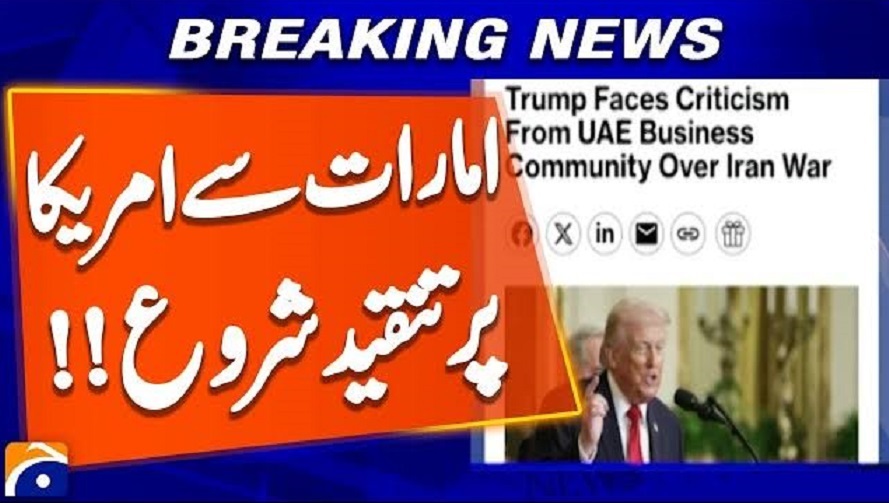
Trump faces criticism from UAE business community over Iran war
People in the United Arab Emirates, including a prominent businessman, are beginning to criticize the US as Iran’s barrage of missiles and drones on Gulf states continues, roiling the region’s financial markets and economies, Bloomberg stresses.
The UAE has been among US President Donald Trump’s staunchest allies, pledging about $1.4 trillion in investments and cultivating commercial ties with his family. That relationship appears to have given Abu Dhabi little influence over the conflict.
“Who gave you the authority to drag our region into a war with Iran? And on what basis did you make this dangerous decision?” Khalaf Al Habtoor, a Dubai billionaire and hotel tycoon, said in a post on March 5. “You have placed the countries of the Gulf Cooperation Council and the Arab countries at the heart of a danger they did not choose.”
The UAE has faced the brunt of Iran’s retaliatory missile and drone attacks in the Gulf region.
Another leading businessman said the continued instability is pressuring various sectors in Dubai and disrupting supply chains for a range of businesses. If the war stretches beyond a month, some companies will likely face difficult decisions about production and services, he said, declining to be identified discussing sensitive information.
“Most of the Gulf States always knew that President Trump is going to be himself and not necessarily listen to outside influence,” said Ryan Bohl, a senior analyst focused on the Middle East and North Africa at the risk intelligence consultancy Rane Network.
Business leaders and investors are also watching closely for signs that the conflict could begin to affect the Middle East’s overseas investment drive, one of the pillars of its economic strategy.
In addition to the UAE’s commitments, which came as Trump toured the region last year, Qatar and Saudi Arabia had also pledged investments of nearly $2 trillion into the US.
Now, some Gulf officials are reconsidering major foreign investments as they weigh the potential cost of a prolonged war, the Financial Times reported this week.
Against that backdrop, Trump’s decision to go to war with Iran — widely opposed across the region — has prompted questions about the limits of economic leverage in Washington.
The United States could lose the Gulf
The Gulf states can no longer believe that the United States can or will protect them from existential threats. And even as they are forced to openly cooperate with Israel in its war, they will increasingly view it as a threat rather than a potential ally, ‘Foreign Policy’ stresses.
Iran’s targeting of the Gulf states in the face of the U.S.-Israeli attack shattered the hard-won regional rapprochement that had taken hold over the last three years. Saudi Arabia and the UAE had long been aligned with Israel on the need for a confrontational strategy toward Iran. Saudi Crown Prince Mohammed bin Salman, early in his de facto reign, had fulminated against the Islamic Republic and signaled a readiness for military action. Gulf leaders were reliable voices for more aggressive policies toward Iran and vocal skeptics of nuclear diplomacy, as their allies and proxies did battle with Iran across a broad swath of the Levant, Iraq, and Yemen.
But those days have long passed.
The lesson of a real vulnerability for which the alliance with the United States could not or would not compensate
Gulf leaders were stunned by the ability of Iran and its allies to target Saudi oil refineries in 2019 without any effective defensive capability or meaningful U.S. response. A subsequent round of drones over Abu Dhabi reinforced the lesson of a real vulnerability for which the alliance with the United States could not or would not compensate.
The Gulf states, for the most part, preferred to avoid war, but they recognized that it was inevitable as the U.S. armada assembled and Omani mediators saw the Trump administration was barely bothering to pretend to negotiate in good faith. With war inevitable, the Gulf states hoped to at least shape the campaign’s geography and strategy in ways that would minimize their exposure to its fallout.
The entire Gulf order has long been based on U.S. security guarantees against Iran. Gulf leaders had felt that they enjoyed better relations with Trump than with any previous U.S. administration. They appreciated his bottomless interest in Gulf financial opportunities, his preference for autocracy over democracy, and his personalistic style that mirrored their own. They also noted his seeming alignment with their views against Israel on the Gaza cease-fire and support for the new Syrian regime.
Gulf leaders have good reason to believe that the United States and Israel launched a war, which directly impacts not just their interests but their survival
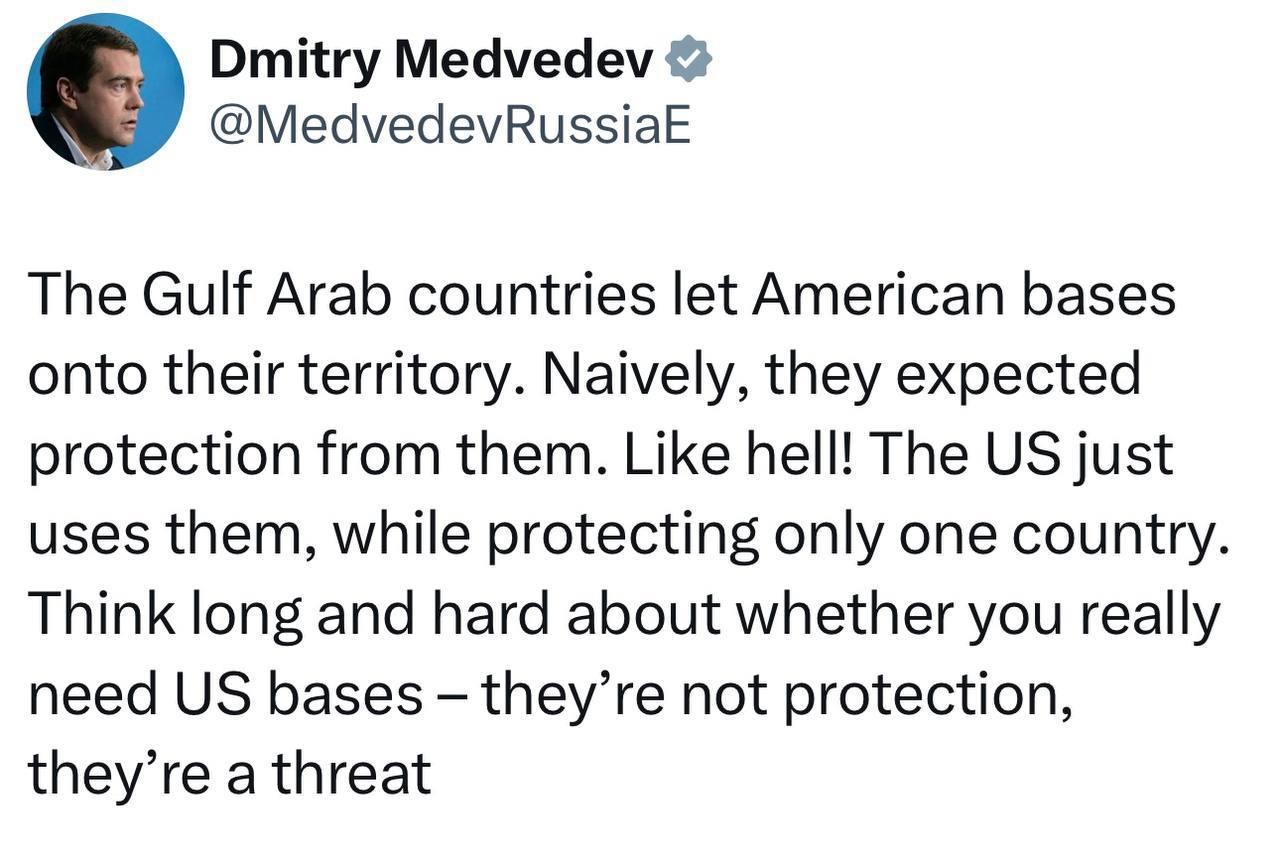
That makes their sense of betrayal right now even more acute. Gulf leaders have good reason to believe that the United States and Israel launched a war, which directly impacts not just their interests but their survival, without serious consultation. They are deeply uncomfortable with the Israeli regime-change strategy, which involves the destruction of Iranian state institutions, since they understand that they (unlike Israel) cannot be immune from the catastrophic fallout. They can hardly believe U.S. impotence at protecting oil installations and shipping, and the United States’ inability or unwillingness to rapidly refresh their dwindling stocks of interceptors. There is a profound sense that U.S. military bases have become a source of threat rather than security.
This insecurity is a shocking realization for a region that has been an oasis of stability and prosperity in an otherwise collapsing Middle East. Iran has, for the first time, shattered the illusions of Gulf citizens about their immunity from regional politics.
Arab regimes that feared Israel’s expanding military operations and unchecked ambitions will not be reassured watching its destruction of Iran. They will worry that they could be next, understanding that the United States cannot be relied upon to protect them. And that could very well be the harbinger of the rapid unraveling of America’s Middle East.
read more in our Telegram-channel https://t.me/The_International_Affairs

















