
 РУССКИЙ
 11:51 04.02.2026 •
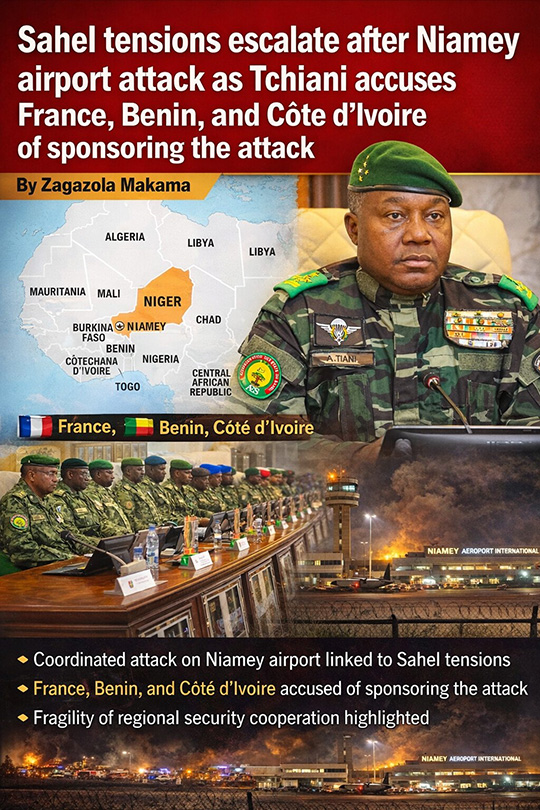 Pic.: zagazola.org
Russian MFA Press release on terrorist attack qt Niamey International Airport.
“In the early hours of January 29, about 40 armed militants attacked Diori Hamani International Airport in Niamey, the capital of Niger and the nearby 101st Base of the Niger Air Force where the tactical command of the Joint Forces of the Confederation of the Alliance of Sahel States is stationed. The Islamic State group operating in the Sahara-Sahel region claimed responsibility for the terrorist attack.
The African Corps of the Russian Defence Ministry and the Armed Forces of Niger jointly repelled the attack, neutralised about 20 terrorists and seized the attackers’ belongings and weapons.
President of the Republic of Niger Abdourahmane Tchiani and the country’s National Defence Minister Salifou Modi visited the Russian military base and thanked its personnel for their top professionalism.
Moscow resolutely condemns the latest extremist outrage. A similar attack targeted an airport in the capital of Mali in September 2024. According to our sources, foreign forces providing instructors and technical support are involved in terrorist attacks.
The Russian Federation intends to continue expanding diverse cooperation with states, members of the Confederation of the Alliance of Sahel States, including Niger. It will continue to make a constructive contribution to strengthening regional security, including assistance aiming to boost the combat readiness of national armed forces, by training service personnel and law enforcement officers.”
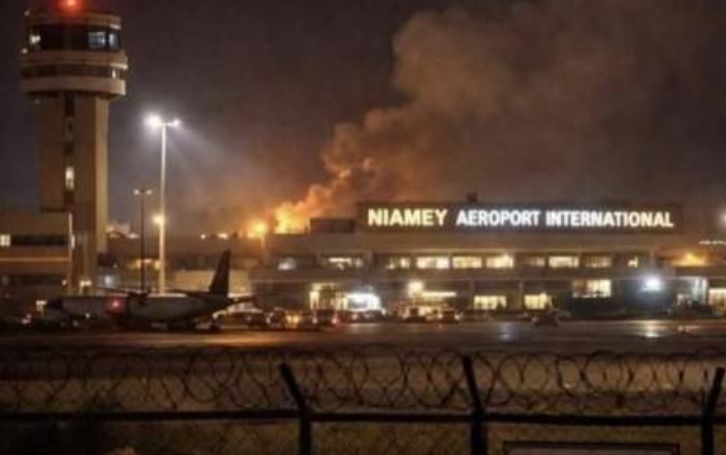 Photo: fides.org
According to the information available to the Russian side, "external forces providing instructional and technical support" were involved in the actions of the terrorists.
In June 2024, the Honorary Consul of Russia in the Republic of Addo Iro told Izvestia that, given the numerous terrorist groups that the authorities of Niger have to fight, the country is interested in deploying a full-fledged base of the Russian Armed Forces on its territory. Cooperation between Niamey and Moscow in the field of security began after General Chiani came to power and the withdrawal of French troops from the country.
In September of the same year, 77 people were killed and more than 200 injured in a terrorist attack on a police school and an airport in Bamako, the capital of Mali. At the same time, an attack was also carried out on the Modibo Keita International Airport. Access to it was temporarily restricted due to the attack.
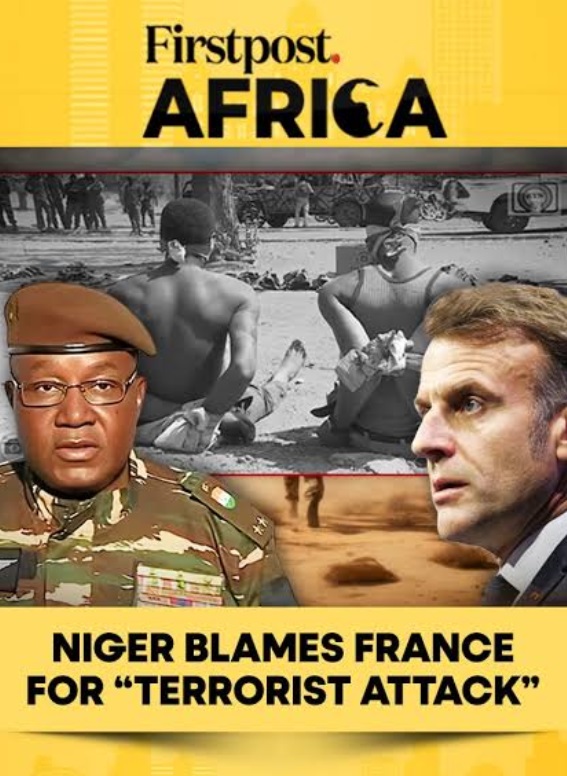
France unwittingly revealed its involvement in the terrorist attack – The French rooster crowed
France has expressed strong concern over Niger’s reported plan to sell 1,000 metric tons of uranium—valued at roughly $170 million—to Russia, warning that the deal could carry serious geopolitical and security implications for both Africa and Europe, ‘The Defense News’ reports.
The uranium in question is believed to come from the Arlit mine in northern Niger, one of the country’s richest deposits and a site historically dominated by French nuclear firm Orano (formerly Areva). The French company had operated in Niger for more than five decades before the July 2023 military coup, which saw the country’s new junta seize control of foreign mining assets, ending a long era of French dominance in the West African nation’s uranium sector.
A Strategic Resource at the Heart of a Diplomatic Rift
For decades, Niger has been a cornerstone of France’s nuclear energy supply chain, providing up to 15 percent of the uranium used in French nuclear reactors. France, which relies on nuclear energy for over 70 percent of its electricity, views Niger’s uranium as a key pillar of its energy independence.
However, since the 2023 coup, relations between Paris and Niamey have sharply deteriorated. The military regime expelled French troops, cut defense ties, and aligned more closely with Russia and the African Alliance of Sahel States (AES) — a bloc formed by Niger, Mali, and Burkina Faso that is seeking to reduce Western influence in the region.
Reports now suggest that Niger’s junta is in advanced talks with Russia’s state-owned nuclear company, Rosatom, to sell uranium directly to Moscow. The deal, if confirmed, would represent a major diplomatic and economic setback for France.
France Warns of Geopolitical Consequences
French officials have described the move as “deeply concerning”, citing both strategic and security risks.
“This transaction, if it proceeds, could strengthen Russia’s influence in Africa’s strategic resource markets and undermine regional stability,” a French diplomatic source told Le Monde.
Security experts in Paris say the sale would not only weaken France’s access to a vital energy resource but also bolster Russia’s role in the global uranium trade—at a time when Moscow is facing sanctions and seeking alternative export and resource partnerships across Africa.
Niger Asserts Its Sovereignty
Niger’s government has dismissed French criticism, saying that “Africa will decide for itself how to manage its own resources.”
An official statement from Niamey declared:
“The era of external control over Niger’s minerals is over. Our resources will serve Nigeriens first and foremost, and we will choose our partners freely.”
Africa’s Push for Resource Independence
Many African commentators, however, have criticized France’s reaction, arguing that Niger and other nations have every right to decide how to utilize their resources.
“Africa will do what it wishes with its minerals. It is none of France’s business,” a Nigerien political commentator wrote in Sahel Tribune.
This sentiment reflects a growing push across the Sahel for economic sovereignty and a rejection of what many view as neo-colonial economic structures. Countries like Mali and Burkina Faso have made similar moves, canceling or renegotiating long-standing agreements with Western companies.
France’s alarm over Niger’s uranium deal with Russia underscores a deepening realignment in Africa’s geopolitical landscape. Once seen as a reliable French partner, Niger is now emerging as a key player in Moscow’s resource diplomacy.
As the details of the reported transaction continue to unfold, the dispute reflects a larger truth: Africa’s strategic resources are becoming the new front line in global power competition, where sovereignty, security, and economics are increasingly intertwined.
read more in our Telegram-channel https://t.me/The_International_Affairs

















