РУССКИЙ
 10:38 02.03.2026 •
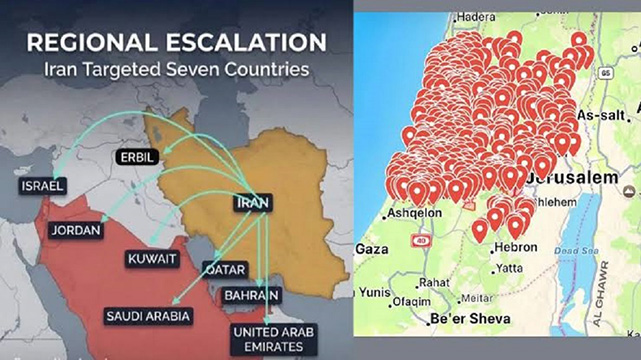 Pic.: Homeland Security Today
Iran’s attacks over the first day of combat have leaned heavily on drones and small-scale missile strikes, trends that could indicate either deliberate planning — or a breakdown in command and control, Bloomberg writes.
Rather than sustained volleys, attacks have been intermittent, with waves of small, Shahed-136 one-way attack drones — essentially unsophisticated cruise missiles — punctuated by smaller strikes with ballistic weapons.
That pattern could indicate that early US and Israeli strikes to kill Iranian leaders have left battlefield commanders to operate on their own. But in the Ukraine war, both sides have used cheap weapons to deplete or distract enemy air defenses, before launching more serious strikes — a tactic that Iran may also be applying.
Because Iran had time to plan — and reason to believe the US would try to eliminate leadership in an attack — Tehran may have moved to decentralize military operations, leaving commanders with target sets and instructions to strike opportunistically, said William Alberque, a senior fellow at the Pacific Forum.
Iran operates submarines, small boats carrying anti-ship missiles, and sea mines, but so far no attacks on US Navy or civilian vessels have been reported. Tehran has also not directly attacked oil or gas infrastructure. Those options give it ways to escalate the conflict.
Another reason Shahed drones have played a major role is that they are simply smaller and easier to conceal. With the US and Israel actively hunting ballistic missile storage facilities and launchers, trucks carrying drones may slip through, leaving the weapons more available for strikes.
The sheer volume of those weapons also increases the chances that one will get through, said Mick Ryan, a retired Australian Army general and a senior fellow at the Lowy Institute.
“No missile and drone defense system is 100%,” he said.
Indeed, many Iranian weapons have reached their targets around the Gulf despite the presence of missile interceptors on US Navy ships and Patriot and THAAD batteries on land.
Although the US moved personnel and equipment out of bases within range of Iran’s missiles, damage to the facilities themselves appeared to be quite significant in some cases.
Naval Support Activities Bahrain, a base in that country that is home to the headquarters of the US Navy’s Fifth Fleet, was hit by multiple ballistic missiles and drones on Saturday, sending plumes of thick, black smoke into the sky.
Three US service members were killed and five “seriously wounded” during operations against the Islamic Republic, US Central Command said on Sunday.
The US and Israel are confident in their military superiority. And that will be their undoing.
Iran still has many advanced military technologies and options which it hasn't yet disclosed, it will continue fighting after the Yankees and Israelis run out of air and missile defense missiles.
read more in our Telegram-channel https://t.me/The_International_Affairs