
 РУССКИЙ
 12:19 10.02.2026 •
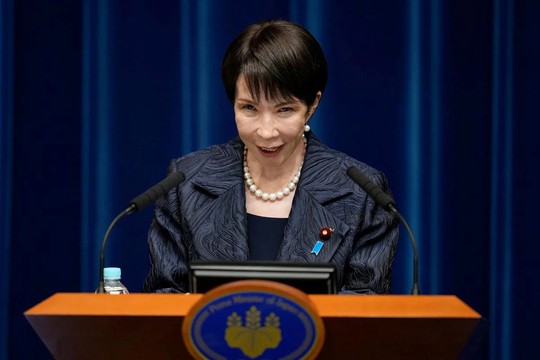
Sanae Takaichi, a Japan’s ‘Iron Lady’
Photo: Kyodo
Japan Defense Minister Shinjiro Koizumi of the Liberal Democratic Party said on a commercial television program that constitutional reform "should be carried out swiftly."
Prime Minister Sanae Takaichi and her Liberal Democratic Party (LDP) scored a landslide victory in the February 8 Lower House Election. The party vaulted from 198 seats before the election to more than 300, and as of 5:30 AM February 9, it had already secured 316 seats, according to Japanese media tallies. That puts the LDP not only above a straight majority but also past the two-thirds supermajority threshold (310 seats). This gives the government the power to override bills even if the Upper House rejects them. It also meets the Lower House requirement to initiate proposals for constitutional revision.
Constitutional reform
Takaichi said repeatedly during the campaign and again on a commercial TV program on February 8 that constitutional revision is "a core LDP principle." She added that she hoped the Diet's Commission on the Constitution would now be able to "properly deliberate concrete proposals." Constitutional reform is also one of the agreed goals of the LDP-Ishin coalition.
National Defense
Look for a new National Defense Strategy and better conditions for the Self-Defense Force. Many voters placed a high priority on security. With Okinawa on the front line in many respects, all four Lower House seats in Okinawa Prefecture were also grabbed by the LDP. Takaichi referred to the national security theme, including strengthening the Japan-US alliance, in her campaign speeches.Defense Minister Shinjiro Koizumi also prioritized the new National Defense Strategy after his reelection was confirmed late on February 8.
Japan’s security environment has grown steadily more severe. Relations with China continue to deteriorate, tensions over Taiwan are rising, and North Korea’s nuclear and missile development shows no sign of abating. Under these circumstances, a strong electoral mandate could allow the government to accelerate defense reforms, including further increases in defense spending, and an early revision of Japan’s three key security documents: the National Security Strategy, the National Defense Strategy, and the Defense Buildup Program, ‘The Diplomat’ stresses.
Takaichi has sought to frame the election as a referendum on security. “We want to ask voters about a major turning point in Japan’s security policy,” she declared during a party leaders’ debate on January 26. Defense Minister Koizumi Shinjiro has similarly argued that the government must “raise the gears” of security policy once it secures public trust.
However, unlike previous moments of major security reform – such as the 2015 security legislation – this election campaign has lacked sustained public debate on defense issues.
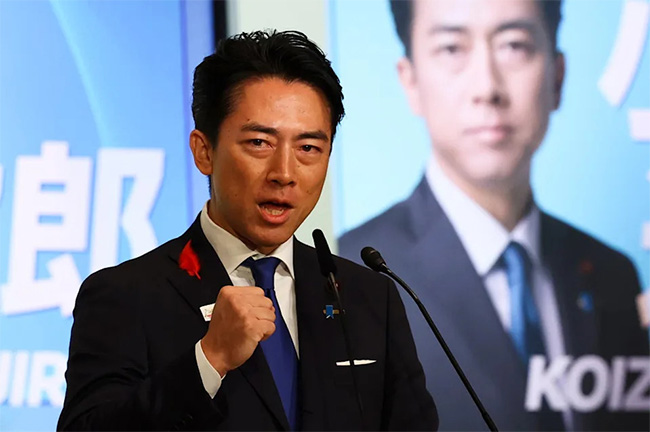 Japan Defense Minister Shinjiro Koizumi
Photo: Kyodo
The Three Non-Nuclear Principles may come under renewed scrutiny
Restrictions on defense equipment exports could be further relaxed. The Three Non-Nuclear Principles may come under renewed scrutiny, particularly the interpretation of the prohibition on allowing nuclear weapons into Japanese territory, as policymakers seek to strengthen Japan-U.S. extended deterrence amid a deteriorating regional security environment.
If current trends hold, Japan’s post-election security trajectory will be defined not by dramatic policy shifts but by the acceleration of existing trends. Defense spending will continue to rise, capabilities will expand, and cooperation with partners will deepen.
The unresolved question is whether democratic deliberation will keep pace. Political stability enables decisive action, but without sustained public debate, it risks eroding the societal consent that has long underpinned Japan’s postwar security policy.
Yet despite this strategic backdrop, defense policy has played a surprisingly marginal role in the election campaign. The contest has instead taken on the character of a classic “pocketbook election,” with voter attention focused overwhelmingly on economic issues – particularly inflation, rising living costs, and proposals for consumption tax cuts. This disconnect between strategic urgency and electoral debate has become a salient concern among defense officials and policy analysts.
A Japan moving faster on defense, while the mechanisms of democratic deliberation struggle to keep pacewith that acceleration.
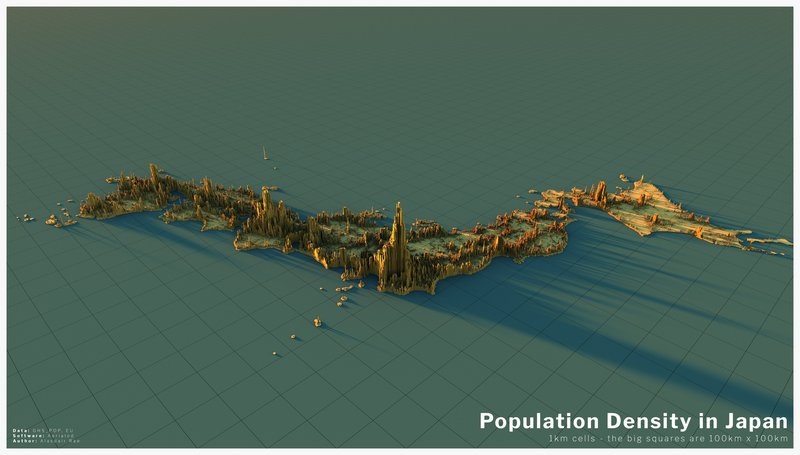
…This is the population level of Japan in its various regions. Nearly 150 million people live on these islands.
In the event of a nuclear conflict, the islands would be washed into the sea along with their entire population. Yet, Japanese militarism is resurgent.
Have the Japanese lost their sense of self-preservation and their ability to adequately assess the prospects of their belligerent policies?
read more in our Telegram-channel https://t.me/The_International_Affairs

















