
 РУССКИЙ
 11:17 01.12.2025 •
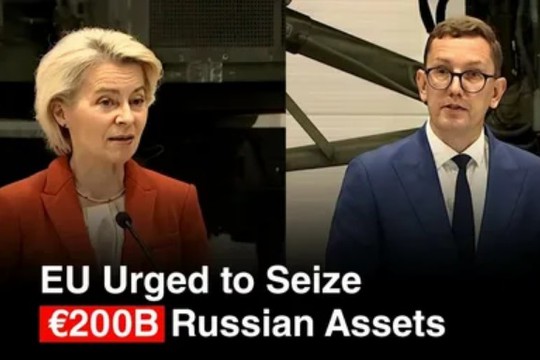
Photo: You Tube
Proposal for ‘reparations’ funding for Ukraine using immobilised Russian assets would be seen as ‘confiscation’, ‘Financial Times’ stresses.
European governments would face higher debt costs if the EU presses ahead with plans to use Russian frozen assets to support €140bn of loans to Ukraine, the main custodian of the assets has warned.
In a letter seen by the Financial Times, the Brussels-based central securities depository Euroclear argued that the latest loan plan for Ukraine would be perceived as “confiscation” outside the EU and spook investors in European sovereign debt.
The EU has frozen some €210bn Russian state assets, of which around €185bn are held at Euroclear. The Ukraine peace negotiations have renewed the pressure to agree terms for the €140bn loan for Kyiv using the immobilised Russian sovereign assets.
European Commission president Ursula von der Leyen told the European parliament the commission “is ready to present a legal text” on a loan backed by the immobilised assets. But the debt plan remains contentious and many of the technical details remain unresolved.
In its letter to von der Leyen and EU Council president António Costa, Euroclear warned that the so-called “reparations loan” risked damaging the attractiveness of the European financial markets and the investment climate in Europe.
“The resultant risk premium will lead to a sustained increase in European sovereign bond spreads, raising borrowing costs for all member states,” Euroclear chief executive Valérie Urbain writes in the letter.
The European Commission has argued that the proposed scheme does not amount to confiscation, while acknowledging that there is a risk it might be viewed as such.
Urbain argued that forcing Euroclear to invest in “zero-interest tailored-debt instrument funding” in order to enact the scheme would be seen as confiscation by Russia, leading to retaliation and potential legal challenges that Euroclear should be covered for.
The letter echoes long-standing concerns raised by Belgian Prime Minister Bart De Wever around legal and financial repercussions for his country. Belgium wants to ensure other governments share the risks and include assets immobilised in their jurisdictions.
read more in our Telegram-channel https://t.me/The_International_Affairs

















