
 РУССКИЙ
 9:18 14.03.2026 •
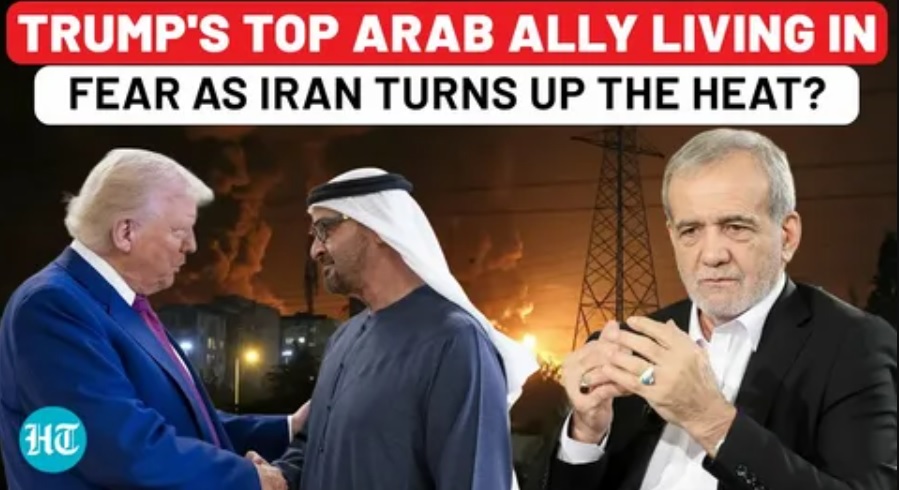
Behind the scenes, resentment is mounting in Gulf Arab capitals at being drawn into a war they neither initiated nor endorsed but are now paying for economically and militarily, with airports, hotels, ports and military and oil installations hit by Iranian strikes, said three regional sources, who declined to be identified as they were not authorised to speak publicly.
"It is not our war. We did not want this conflict, yet we are paying the price in our security and our economy," Ebtesam Al-Ketbi, President of the Emirates Policy Center, told Reuters.
Gulf States project resolve, reassess security
At the same time, analysts say the war has left Gulf states reassessing both their security dependence on Washington and the prospect of eventually engaging Tehran on new regional security arrangements.
For decades, relations between Washington and the Gulf states rested on an implicit trade-off: Gulf energy and capital – including hundreds of billions of dollars spent on U.S. arms, advanced technology and goods and services – in return for U.S. protection, said Fawaz Gerges of the London School of Economics.
Gerges said the war had shaken those assumptions. Now, he said, Gulf states would accelerate efforts to diversify their foreign and security partnerships, realising "they cannot really rely on the United States to protect their energy, oil, gas, their people and their sovereignty.”
Businessman decries 'dragging the Gulf into a conflict'
Abdulaziz Sager, Chairman of the Saudi-based Gulf Research Center, said Washington had failed to prepare safeguards for its regional allies or ensure oil and gas flows during wartime, saying the cost on the Gulf states' economies is "horrendous".
Sager said the war had demonstrated the limits of relying solely on external security guarantees, particularly from the United States, adding that Gulf countries need to strengthen their own defense capabilities and prepare for future crises.
"External powers also tend to make decisions based on their own strategic interests rather than those of the Gulf. As a result, Gulf states will likely pursue a more cautious and balanced approach in their relations with both Iran and major international partners," added Sager.
In a rare public rebuke, prominent Emirati businessman Khalaf Al Habtoor questioned the objectives of the U.S.-Israeli war on Iran.
“If the strikes were aimed at containing Iran, did they take into account the regional consequences – or was the cost of dragging the Gulf into a conflict it was not party to simply ignored?” said Al Habtoor, founder of the Al Habtoor Group.
Saudi Aramco CEO Amin Nasser warned on Tuesday that continued disruption to shipping through Hormuz would have “catastrophic consequences” for oil markets.
Iran’s Revolutionary Guards, however, said they would not allow “one litre of oil” to be shipped from the Middle East if U.S. and Israeli attacks continued. Trump has warned Washington would strike Iran harder if it blocked oil exports.
Sources close to Gulf Arab government circles say frustration with Trump privately runs deep across the region. Many believe he dragged the Gulf into a war shaped heavily by Israel, without sharing a plan and acting hastily and without fully weighing the political and economic fallout for allies.
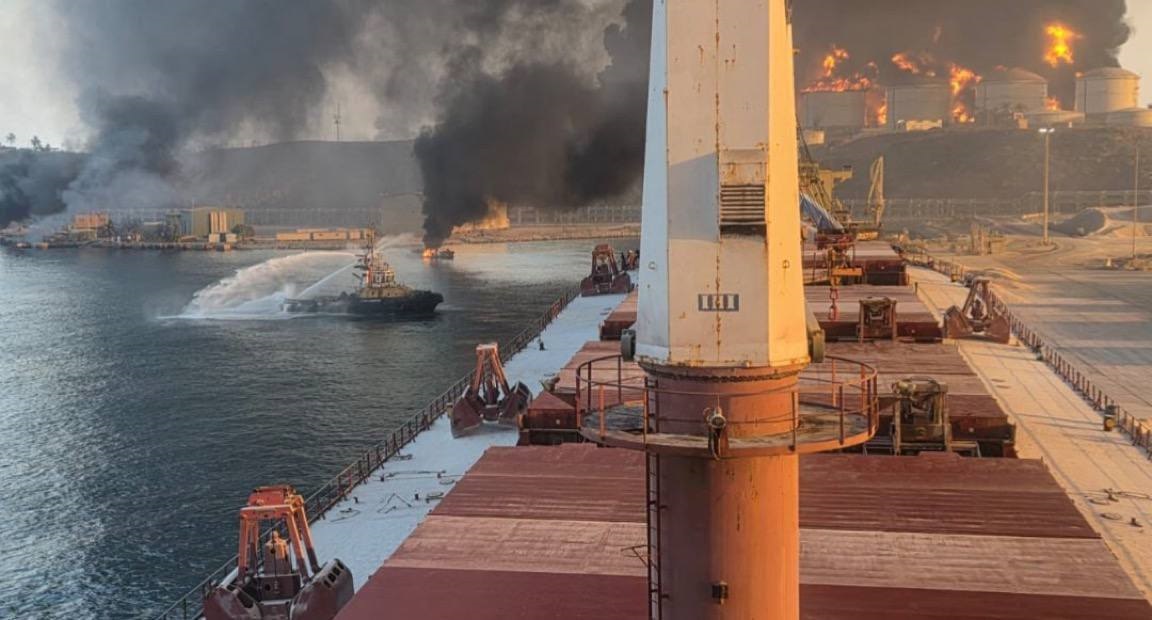 IRGC strike on the port of Salalah, Oman
Photo: publics
read more in our Telegram-channel https://t.me/The_International_Affairs

















