
 РУССКИЙ
 10:28 13.03.2026 •
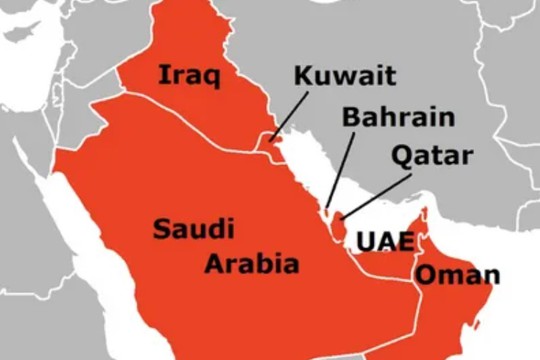
That Iran is attacking bases and other sites in the UAE, Qatar, Bahrain, Saudi Arabia – even Oman – has caused disillusionment in these countries, which thought that they were protected by the US. They are now learning they're not, writes Kanwal Sibal, a Foreign Secretary and Ambassador to Turkey, Egypt, France and Russia, and Deputy Chief Of Mission in Washington.
The enormity of America's political assassination of Iran's Supreme Leader Ali Khamenei cannot be overstated. Iran had not committed any aggression against the US, and yet its top leader and generals have been physically eliminated. It was also not planning any military strikes against either the US or Israel, and, therefore, the latter cannot justify a 'pre-emptive' strike.
Iran's concessions, US double standards
The Iranian nuclear issue has to be seen in perspective. Iran is a signatory to the Non-Proliferation Treaty (NPT), but under the framework, it has the right to enrich uranium for peaceful purposes – a right that Iran has been unwilling to forswear, though in the latest round of negotiations with the US, it made concessions on enrichment limits. This is something it had not done earlier.
Irrespective of all this, the fact also is that the US ignores the nuclear status of Israel, which is an open secret. The US has also reconciled itself to North Korea's repudiating the NPT and acquiring nuclear weapons. It has been complicit in Pakistan becoming a nuclear power and has not made an issue of continuing nuclear cooperation between Pakistan and China. The US has walked out of all disarmament treaties negotiated with Russia and has announced that it will resume nuclear testing.
Against this background, the US's focus on Iran's nuclear programme, which is under strict IAEA supervision, seems to be dictated by considerations related principally to Israel's security and regional pre-eminence. Trump had announced in June 2025 that during the 12-day war, the US had obliterated Iran's nuclear programme. If that is the case, then why make Iran's nuclear issue the casus belli, or, case for war?
That Iran is either a few months or a few weeks away from acquiring nuclear weapons is a narrative assiduously pushed by Israel and the US for a long time. However, years have passed without Iran going nuclear. Accusations that Iran has pursued a clandestine programme in secret facilities have never been proved.
No rights and wrongs here
If Iran's regional role is a problem for the US, then Iran could view the regional role of the US and Israel as a problem, too - especially Israel's expansionism. In these matters, no clear judgment can be made on rights or wrongs, though it can be said that Iran has committed a serious strategic error by projecting itself as the biggest opponent of Israel and the principal supporter of the Palestinian cause, way beyond the support the leaders of the Arab countries have given to the Palestinians. Arab countries have been more open towards Israel, either openly or more discreetly. Israel and the US, therefore, see Iran as the main obstacle to the regional acceptance of Israel, which the Abraham Accords represent.
If the Strait of Hormuz is blocked and oil trade is disrupted, the spike in oil prices can be a big blow to oil-importing countries like India. We are very vulnerable to disruptions in the region in view of our stakes there in the size of the diaspora, the volume of remittances and massive imports of oil and gas. The fallout of what is happening is potentially grave for us. For us, de-escalation of the situation is of vital importance.
read more in our Telegram-channel https://t.me/The_International_Affairs

















