
 РУССКИЙ
 10:25 21.03.2026 •
As global oil prices broke the psychological barrier of surpassing $100 a barrel, the US administration took a strategic step that sparked controversy across Western capitals: easing restrictions on Russian oil shipments stranded at sea and allowing their unloading until early April, ‘Al-Akhbar’ writes from Lebanon.
This move reflects a sudden shift in US priorities, which, for the past two years, had sought to strangle the Kremlin's financial resources by all means. The significant and alarming surge in oil prices, resulting from the US-Israeli aggression against Iran, has prompted the White House to prioritize the stability of global energy markets and protecting the domestic economy from inflation over continuing its policy of tightening the comprehensive economic embargo on Russia.
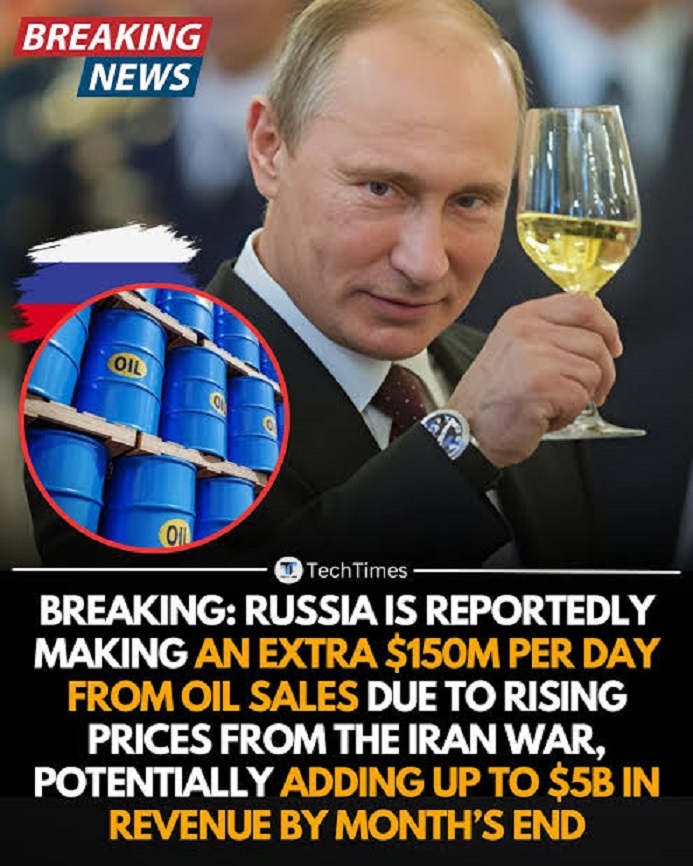
Economic experts and observers believe that Moscow is on the verge of reaping huge and unexpected financial gains from this US move, which will contribute to repairing its public budget, depleted by the long years of war in Ukraine. According to analyses cited by London newspapers from the Carnegie Endowment for International Peace, the current price increase directly benefits the Russian treasury. Every ten-dollar increase in the global price of a barrel of oil provides the Russian government with an estimated $1.6 billion in additional tax revenue per month. This grants the Kremlin significant economic and military leverage.
Logistically, and in terms of the decision's impact on international shipping, maritime traffic reports indicate that Washington's decision represents a significant and vital boost for what is known as the Russian "shadow fleet," which comprises a group of ships and tankers operating outside the traditional legal frameworks of Western insurance and shipping. According to observers, Russia now possesses a kind of "tacit approval" to operate more freely in the energy-hungry Asian markets, due to the disruption of supplies from the Middle East. Indeed, major refineries in countries such as Japan, Thailand, and the Philippines have begun conducting technical and commercial assessments of the potential to utilize these shipments, which have received a temporary green light from the US. This shift means that Russian oil, which previously faced considerable difficulties in finding buyers or securing transport routes due to stringent US legal threats, has now become a highly sought-after commodity to fill the global gap resulting from the US-Israeli aggression against Iran. This could grant Moscow new geopolitical influence and the ability to use energy as an effective political tool.
read more in our Telegram-channel https://t.me/The_International_Affairs

















