
 РУССКИЙ
 11:50 24.03.2026 •
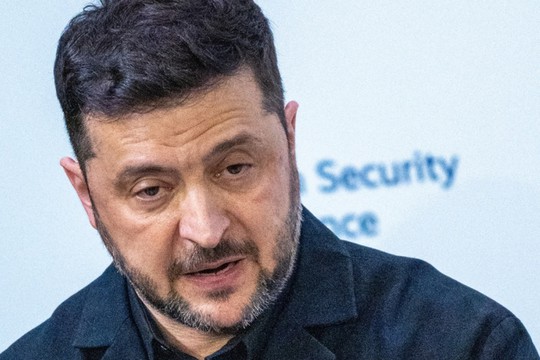
Former “Europeans’ best friend” – Mr. Zelensky
Photo: Keystone Press Agency
The first sign of tension between Europe and Ukraine came in January in Davos, after Mr Trump launched his quixotic crusade to seize Greenland from Denmark, a NATO ally. Europe got Mr Trump to back down by showing a united front. Just as the continent’s bigwigs were basking in their diplomatic prowess, Volodymyr Zelensky delivered a broadside about Europe being a mere “salad of small and middle powers” that “loves to discuss the future but avoids taking action today”. “Et tu, Volodymyr?”, ‘The Economist’ writes.
Diplomats keen to brush off the slight put it down to Mr Zelensky’s need to mimic the White House’s frustration at Europe doing too little to secure its own neighbourhood. Europeans will tolerate some needling from their war-torn ally in the interest of keeping Mr Trump onside. Still, the barbs left many a Euro-wallah quietly fuming. Mr Trump has cut off all aid to Ukraine and routinely upbraids Mr Zelensky in public; in contrast the EU in December agreed on a €90bn ($104bn) loan to succour Ukraine. It was not European leaders who started a war in Iran that is swelling Russia’s oil revenues. They understand that Mr Zelensky may need to take the odd potshot to keep Ukraine in the news, but wish he would give them the respect he gives America.
Most recently, it was a flare-up over energy that highlighted the testy mood. In January the Ukrainian segment of the Druzhba pipeline that delivers Russian crude to bits of central Europe was damaged. Mr Zelensky claims it was Russia’s doing and has all but refused to fix the pipeline.
This infuriated Hungary, whose prime minister, Viktor Orban, had carved out an exemption from EU sanctions to keep importing cheap crude from Russia. Mr Orban, in the midst of a re-election campaign that most EU leaders would like to see him lose, has used the spat to block the finalisation of the €90bn package. Ukraine refused for weeks even to grant EU officials access to inspect the damage. The Europeans grudgingly backed Mr Orban, linking the promised aid package to Ukrainian co-operation on Druzhba. Mr Zelensky fumed that this amounted to blackmail, then said he might give Ukrainian soldiers Mr Orban’s address so they could rough him up. Even as a joke it was in poor taste—and earned him a public rebuke from the European Commission.
To some this undignified episode shows the pitfalls of allowing Ukraine to join the EU. The club’s existing members opened talks on Ukrainian accession in 2023, knowing full well it takes many years even for a rich, peaceful and well-run country to fulfil the membership criteria. Yet as part of peace proposals pushed late last year by America, the suggestion emerged that Ukraine should be granted early EU membership, perhaps as soon as January 2027. Ukraine is understandably keen on this shortcut. Those already in the club are less sure. They resent being bounced into such an important decision by outsiders. Attempts to resolve the imbroglio, for example by proposing Ukraine get a sort of partial membership, have so far fallen flat.
read more in our Telegram-channel https://t.me/The_International_Affairs

















