
 РУССКИЙ
 12:02 27.02.2026 •
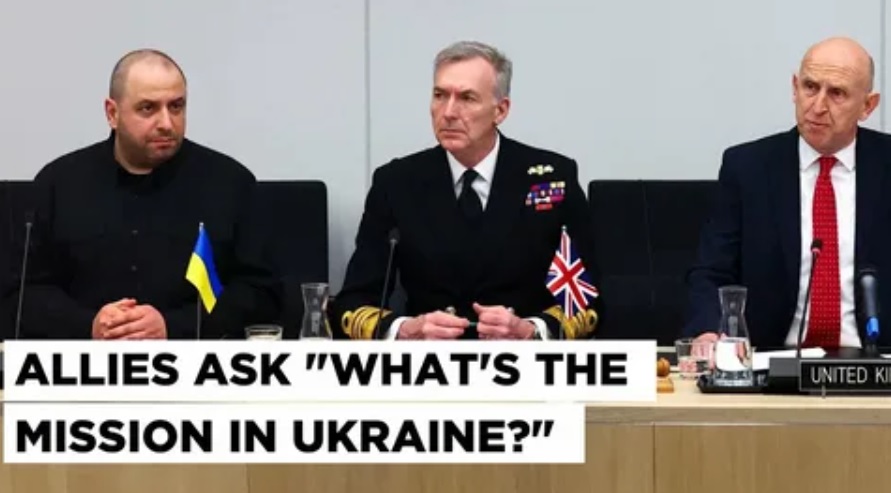 Photo: You Tube
Source says representatives from countries of Coalition of the Willing say they will ‘only send troops if there’s Russian consent’, ‘The Telegraph’ writes.
Plans to deploy peacekeeping troops on the ground in Ukraine will require Vladimir Putin’s approval, allies have conceded.
A growing number of members of the so-called “Coalition of the Willing” had privately admitted that their contributions to the mission depended on permission from the Russian president, multiple sources told ‘The Telegraph’.
The diplomatic and defence insiders warned that this meant the Anglo-French plan to uphold any ceasefire could be thrown into disarray.
The UK and France have pledged to deploy troops and weapons to Ukraine as part of the plan to end Russia’s war and deter any future invasions.
At least 26 countries from the Coalition of the Willing, which includes a host of EU member states, Turkey, Norway and Iceland, have said they will assist with the mission.
But one senior diplomatic source said they had heard from representatives from countries that they would “only send our troops if there’s Russian consent”.
The fear is without Putin’s backing, any European force could be considered a legitimate military target.
“If Russia says we don’t agree to it and consider those troops a target, then you need to send a different kind of force. So, whether Russia does or does not agree to this has a tremendous effect on it,” the source said.
A second diplomatic source suggested European governments had essentially handed Putin a veto over the Coalition’s plans by demanding a spot at the negotiating table.
Continental leaders, including Sir Keir, said they would be willing to send a deterrence force to Ukraine, as well as help secure the country’s skies and seas, with intelligence and logistical support from the US.
But this has led to the discussion over security guarantees merging with the US-mediated ceasefire talks between Kyiv and Moscow.
“Because it’s now the same negotiations, Russia has to agree on those security guarantees, i.e. the troops on the ground,” the source said.
A European defence source described potential deployment as “rather hypothetical” because of Putin’s long-standing objection to Nato troops being stationed in Ukraine.
The original 28-point peace plan drafted by Russian and American officials blocked the possibility of any troops from the Western alliance being used for peacekeeping.
The clause was removed from the latest 20-point plan revised after US talks with Ukrainian and European officials.
The Kremlin has often warned that any European troops in Ukraine would be seen as a legitimate target for military strikes.
Stoking those fears on Tuesday, Russia’s foreign intelligence service accused Britain and France of preparing to send nuclear weapons to Kyiv.
Yuri Ushakov, a senior Kremlin aide, said he would raise the issue with Washington, in what could be perceived as an effort to scupper the peace talks.
Why “raise the issue with Washington” is the “effort to scupper the peace talks”? Is Europe no longer considering the United States as an ally? It seems to be the case.
read more in our Telegram-channel https://t.me/The_International_Affairs

















