
 РУССКИЙ
 11:30 26.01.2026 •
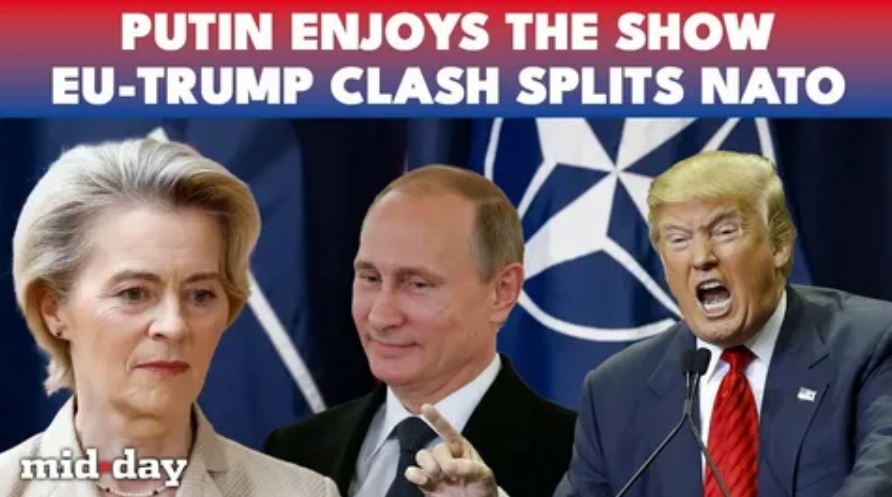
Russia is watching with glee as US President Donald Trump’s drive to acquire Greenland widens splits with Europe even though his moves could have serious security ramifications for Moscow, which covets its own presence in the Arctic, ‘The South China Morning Post’ stresses.
The Kremlin said Trump would go down in history if he took control of Greenland, an autonomous Danish territory. President Vladimir Putin’s special envoy Kirill Dmitriev hailed the “collapse of the transatlantic union”. Former President Dmitry Medvedev joked about Europe getting poorer.
Criticism of Trump over Greenland has been notably absent at a time when Russia wants to keep him onside to ensure any end to the war in Ukraine is on Moscow’s terms, even though traditional Russian allies Venezuela and Iran are also in his crosshairs.
“There are international experts who believe that by resolving the issue of Greenland’s incorporation, Trump will certainly go down in history. And not only in the history of the United States, but also in world history,” Kremlin spokesman Dmitry Peskov said. “It’s hard not to agree with these experts.”
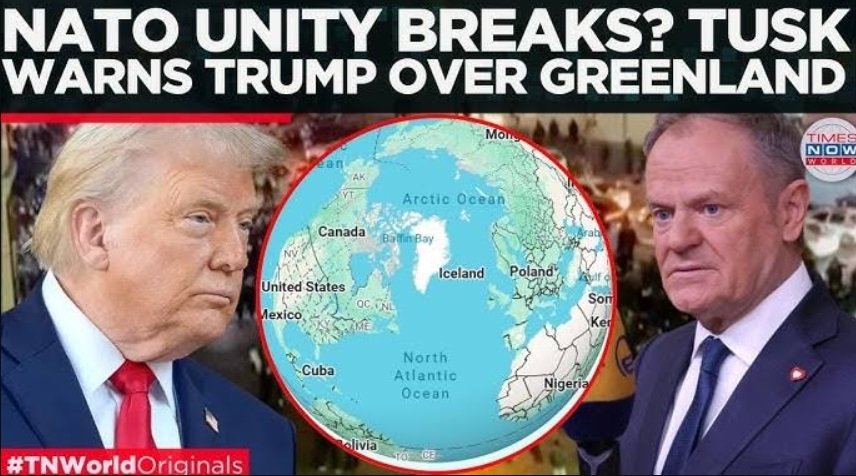
The Kremlin is openly welcoming a growing rift within the North Atlantic Treaty Organization over the controversy surrounding Greenland, seeing it as a sign of weakening unity among Western allies, according to The Wall Street Journal.
Now, as U.S. President Donald Trump pushes for greater American control of Greenland—a Danish territory—Russian officials are reacting positively to the discord this has stirred within the alliance.
The dispute began as Trump reiterated his desire to bring Greenland under U.S. control, arguing that doing so would enhance national security and bolster American presence in the Arctic.
In response to opposition from key European NATO members, Trump threatened tariffs on countries that have deployed troops to the island, a move that deepened tensions between Washington and its traditional allies.
European leaders fear that fracturing unity on such a foundational alliance issue could weaken NATO’s collective defense posture, particularly at a time when Moscow remains deeply engaged in geopolitical confrontations in Eastern Europe.
In Moscow, however, the controversy is being framed as evidence of a broader crisis within the alliance. Russian officials, including Foreign Minister Sergey Lavrov, have gone further to equate the situation with past Western actions and to critique the current state of NATO cohesion, even as they deny any direct interest in Greenland itself.
Analysts note that while Russia may benefit from perceived divisions among NATO members in the short term, a U.S. acquisition of Greenland could ultimately strengthen American strategic reach in the Arctic—a region of growing military and economic significance.
read more in our Telegram-channel https://t.me/The_International_Affairs

















