
 РУССКИЙ
 11:10 17.09.2026 •
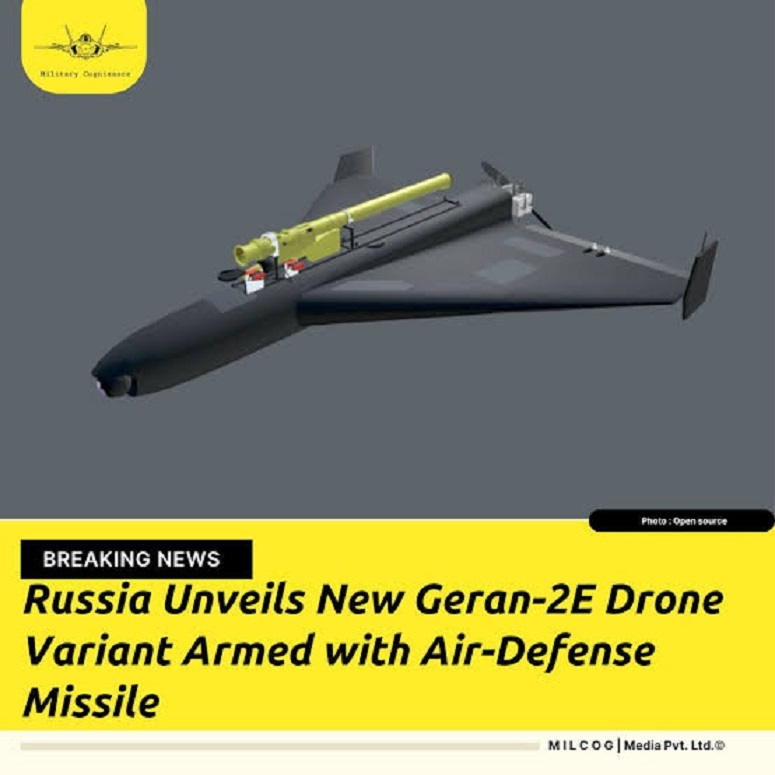
Just as Ukraine was learning how to parry Russia’s drone attacks, Moscow has moved the goal posts with a new generation of innovative jet-powered weapons, The Wall Street Journal states.
New Geran drones and Banderol cruise missiles are lethal reminders that Russia still has the resources and supply chains to field fresh threats, this time packed with advanced electronics that allow them to find targets accurately and evade interception.
Russia’s new and relatively inexpensive weapons show its military remains adaptable and innovative, say analysts and diplomats. Russia developed and fielded both weapons within a couple of years by modifying earlier models, combat-testing them and quickly starting mass production, say analysts.
In doing that, Moscow stole a march on its adversaries. Ukraine has shown it can move quickly—it developed one of the first effective jet drones—but lacks production resources and much capacity to think beyond the near future.
The U.S. and its allies in the North Atlantic Treaty Organization, meanwhile, are struggling to increase production of vital arms such as Patriot interceptors. Western governments are also grappling with how to accelerate turning innovations into mass-produced equipment.
“Here in the West, we tend to underestimate Russia, but they can go very fast from idea and experimentation to production,” said Kateryna Bondar, a senior fellow at the Center for Strategic and International Studies’ Wadhwani AI Center in Washington. “This loop is something Western militaries should learn from Russia.”
Moscow’s developments also directly affect the U.S. because Russia, Iran and North Korea share military know-how. Innovations from the war in Ukraine are appearing in America’s war with Iran and vice versa.
Banderol and Geran both address a need for cheap yet capable one-way weapons—an economic middle ground that Ukraine and Western countries are also pursuing. The new weapons are a mix of upgraded low-end arms and simplified high-end ones. They each represent a different mix of cost, range, speed, explosive power and ability to reach a target without interception.
Banderol and Geran-5 are both estimated to cost around $100,000 each. High-end U.S. Tomahawk cruise missiles and comparable Russian models cost more than $2 million each.
The Geran-5 has forced a rewrite of the counterdrone playbook, created for propeller drones, because “it’s essentially a poor-man’s cruise missile,” said Mike Monnik, chief executive of DroneSec, a drone-threat intelligence company.
read more in our Telegram-channel https://t.me/The_International_Affairs

















