РУССКИЙ
 9:46 11.03.2026 •

Trump is unhappy with the results of the war in Iran
Photo: The White House
President Trump said he was eyeing a quick end to the war in Iran, as some of his advisers privately urged him to look for an exit plan amid spiking oil prices and concerns that a lengthy conflict could spark political backlash, ‘The Wall Street Journal’ reports.
Speaking to reporters in Florida on Monday, Trump characterized the military mission as mostly having achieved its goals. “We’re way ahead of schedule,” he said, adding he thought it would be over “very soon.”
He didn’t provide a clear timeline for ending the Iran operation.
Some Trump administration officials said as long as Tehran continued to attack regional countries and Israel still wanted to strike Iranian targets, it was unlikely the U.S. could easily withdraw from the war. Trump, in his Monday remarks, said he was prepared to continue targeting Iran if the country continued blocking the flow of oil through the Strait of Hormuz.
Trump won’t stop fighting until he can claim a satisfactory victory, a senior administration official said, especially when the U.S. has a military advantage. Trump has at times been surprised that Tehran won’t cave despite the unrelenting joint U.S.-Israeli military campaign, according to people familiar with his thinking.
His comments came as oil prices surged — then fell — adding to already existing concern among Trump’s allies over the economic costs and political fallout of the war.
Some of Trump’s advisers in recent days have encouraged him to articulate a plan to extract the U.S. from the war and make the case that the military had largely achieved its objectives, according to people familiar with the matter. While many in the president’s conservative base still support the initial operation, some of the president’s advisers have privately expressed concerns that a longer war could deplete that support.
Trump has been briefed on some polling about the war, the people said. Public polls released in recent days show that most Americans oppose the war.
Some of Trump’s advisers watched with alarm as oil prices shot to over $100 a barrel. They have also fielded calls about the midterm elections from some nervous Republicans, according to people familiar with the matter.
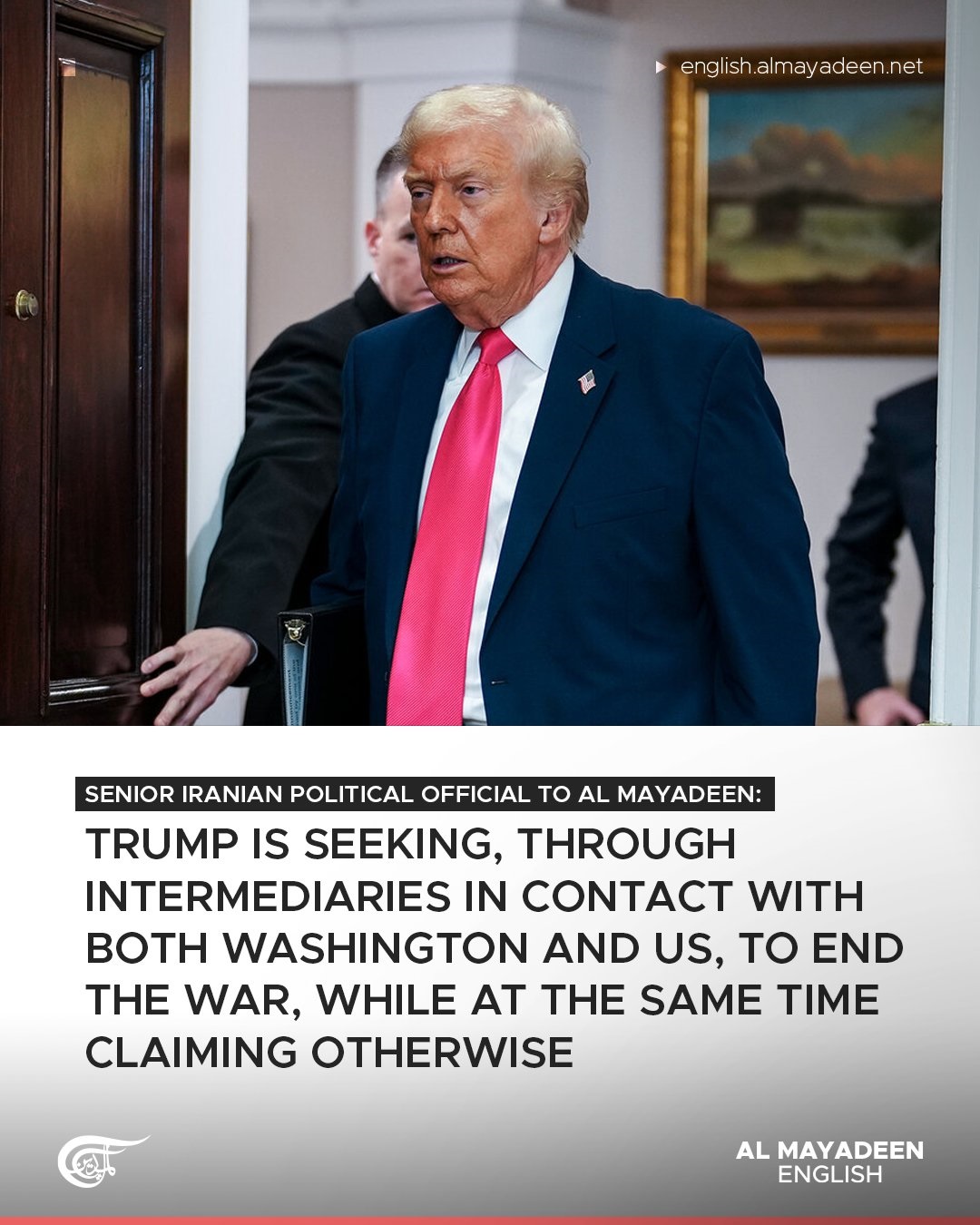
Iran’s leadership signals it is still in control and able to fight
After 10 days of airstrikes by the U.S. and Israel, Iran’s leadership is battered but showing signs it is still in control and able to fight, ‘The Wall Street Journal’ stresses.
Iran’s military continues to hit high-value targets across a wide front encompassing Arab Gulf countries, Israel and beyond.
Observable evidence of their effectiveness makes clear the U.S. and Israel’s hopes for a quick regime collapse aren’t yet panning out.
The degree of resilience shown by the country’s leadership raises the question of how long the U.S. and Israel can sustain their war from above and at what cost if their enemy doesn’t fold.
There are no signs of serious cracks or institutional breakdown in Tehran
On Monday, President Trump told CBS that the war was “very complete, pretty much,” citing the severe damage to Iran’s navy, air force and communications.
But there are no signs of serious cracks or institutional breakdown in Tehran, a person briefed on the military campaign and a foreign diplomat responsible for Iran said.
The fighting is disrupting global trade and travel and has pushed oil prices above $100 a barrel for several hours Monday, raising the cost of keeping the war going.
The intensity and pattern of the Iranian strikes indicate a clear strategy and coordination behind the attacks, analysts and Arab officials said. Iranian forces have consistently targeted U.S. diplomatic and military sites, as well as energy and transportation infrastructure.
The joint U.S.-Israeli war strategy is based on a core assumption: that by decapitating Iran’s political and military leadership, and destroying the physical infrastructure that surrounds them, the regime will be forced into collapse or at least surrender.
But Iran’s state apparatus was built to outlive individual leaders, thanks to layered and overlapping centers of political and military power. The clearest sign of confidence in the regime’s survival was the appointment of the late Khamenei’s hard-line son — Mojtaba Khamenei — as the Islamic Republic’s new supreme leader.
Iran’s political and religious establishments have rallied around the new ruler, with officials publicly pledging their allegiance. Iran’s national-security leader, Ali Larijani, over the weekend said Iran would continue to pursue a broad-front war.
“Countries in the region must either prevent the United States from using their territory against Iran themselves, or we will do it,” Larijani said in a televised interview.
read more in our Telegram-channel https://t.me/The_International_Affairs