РУССКИЙ
 10:36 01.11.2026 •
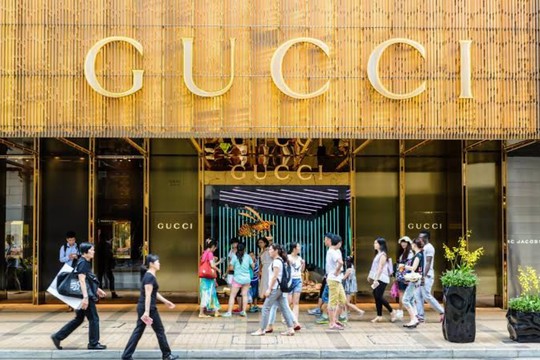
Photo: Drapers on Line
Top European luxury groups have shed about €250bn of market value this year as spending by Chinese consumers wilts and AI-driven stock market wobbles depress demand for high-end shoes and handbags, Financial Times writes.
Results from LVMH, Hermès and Gucci owner Kering this month all missed market expectations that had already been cut significantly, confirming fears that the luxury industry remains in the grip of a multiyear downturn.
Europe’s six largest listed luxury companies — which also include Richemont, Prada and Moncler — have collectively lost €251bn of market value this year. The declines have been steepest at LVMH and Hermès, the two largest luxury groups, whose market capitalisations have shrunk by €131.6bn and €93.3bn respectively.
Demand from shoppers in China was the industry’s motor of growth for over a decade but a prolonged property slump and weak stock market performance have undermined domestic demand over the past few years. Monthly retail sales growth in the world’s second-largest economy has averaged less than 0.5 per cent over the past six months, a sharp slowdown on the previous year.
“The Chinese luxury consumer recovery that the industry was hoping for has taken a pause . . . causing a setback in results, downward pressure on share prices and a lot of soul searching,” said Bernstein analyst Luca Solca.
LVMH, Kering and Hermès all flagged a marked deterioration in China in the third quarter at their results this month. Sales at LVMH’s bellwether fashion and leather goods division fell by a mid-teens percentage among Chinese clients globally, chief financial officer Cécile Cabanis said.
“The deceleration [in fashion and leather demand] is obviously largely driven by the Chinese clientele,” said Cabanis. “We hope it will subside. We are not sure when.”
The picture at Kering, which also owns Saint Laurent and Bottega Veneta, is worse still. Sales to Chinese consumers fell by between 15 and 20 per cent across the group in the third quarter, an acceleration from the mid-teens declines Kering reported in the preceding quarter.
The China chill has even begun to bite at Hermès, one of the most resilient luxury houses. Overall sales at the group’s ready-to-wear and accessories division fell 2 per cent globally, with chief financial officer Eric du Halgouët noting that a recent drop in the Chinese stock market, combined with a crackdown on offshore wealth, had made things tougher.
Even demand in the US, which had been sustaining the industry earlier this year, has tempered in recent months as stock markets have cooled and gas prices have surged. Credit card data from Citi recorded luxury spending declines of at least 4 per cent in July, August and September.
With little sign of an upturn in luxury’s most important markets, Bernstein’s Solca said that most luxury companies have “nothing better to do” than try to become more efficient as they wait for shoppers to return.
read more in our Telegram-channel https://t.me/The_International_Affairs