РУССКИЙ
 11:30 22.05.2026 •
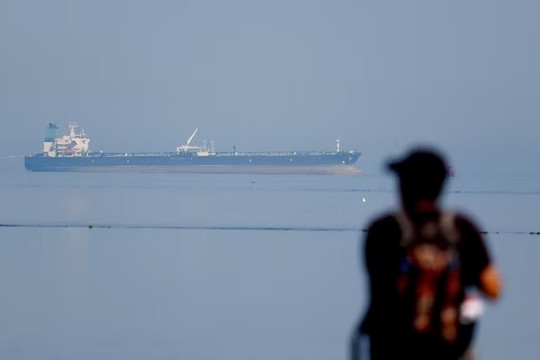
Photo: Reuters
U.S. Treasury Secretary Scott Bessent on Monday announced another 30-day extension of a sanctions waiver allowing purchases of Russian seaborne oil to aid "energy-vulnerable" countries hit by the Iran war, reversing plans not to grant an extension, Reuter reports.
Bessent said in a posting that the Treasury was issuing the 30-day general license after a previous waiver lapsed on Saturday. This will allow temporary access to Russian oil and petroleum products stranded on tankers without violating severe U.S. sanctions on Russian oil majors, he said.
A source familiar with the decision had told Reuters that the second waiver extension was requested by poor and vulnerable countries that cannot get Gulf oil shipments due to the U.S.-Israeli war with Iran and the closure of the Strait of Hormuz.
The action marks the second time the Treasury has allowed the sanctions waiver to lapse and subsequently extended it.
The Trump administration last year slapped sanctions on Russian oil majors Rosneft and Lukoil to pressure Russia to end its war in Ukraine by depriving vital oil revenues to Moscow.
But after U.S.-Israeli attacks on Iran drove up global oil prices, the Treasury first issued the temporary license in March in an attempt to ease oil supply shortages and mitigate price spikes by releasing sanctioned Russian oil and petroleum products stranded in tankers. The waivers do not apply to oil now being pumped by Russia.
Limited impact
Analysts said the short-term waivers may help some individual countries dependent on Gulf oil supplies, but would do little to drive down U.S. gasoline prices, a key goal of the Trump administration.
Charles Lichfield, deputy director of the Atlantic Council's GeoEconomics Center, said that the waivers would boost Russia's oil revenues, already bolstered by higher oil prices, while offsetting the impact of increased Ukrainian strikes on Russian oil refineries and other infrastructure.
On Monday, benchmark Brent oil futures prices rose about 2.6% to close above $112 per barrel due to growing concerns of tight supply with the Strait of Hormuz still closed.
read more in our Telegram-channel https://t.me/The_International_Affairs