
 РУССКИЙ
 10:34 02.05.2026 •
 Pic.: Pinas
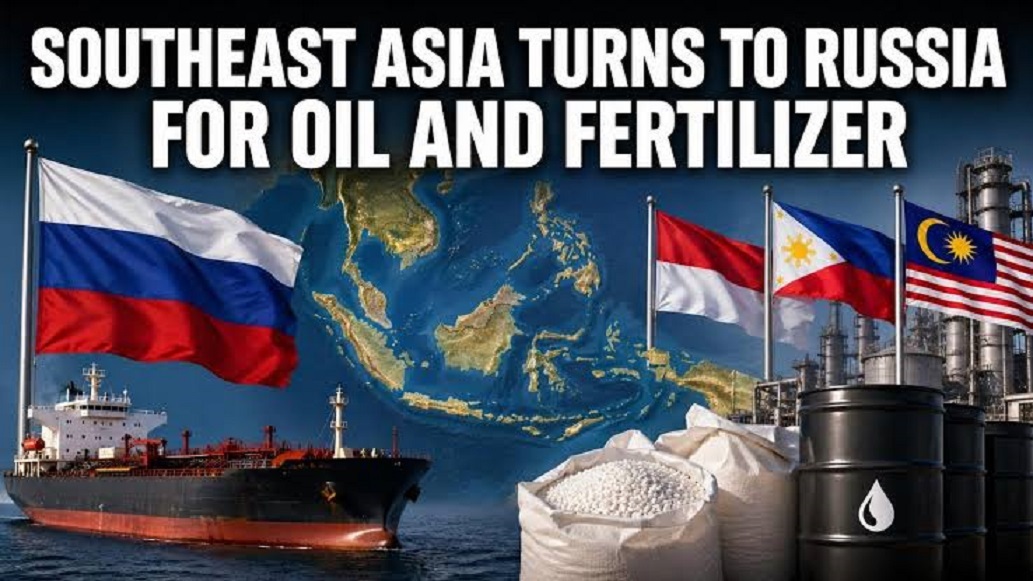
The European Union has sounded the alarm to countries in south-east Asia, urging them not to turn to Russia for oil supplies as they try to cope with widespread fuel shortages caused by the Middle East conflict. But across the region, which relies heavily on the Middle East for energy and fertiliser, those warnings appear to be falling on deaf ears, as countries line up to do deals with Moscow, ‘The Guardian’ stresses.
Indonesia announced it will import up to 150m barrels of Russian crude, after President Prabowo Subianto met Vladimir Putin in Moscow. The Philippines, a US ally, received its first shipment of Russian crude oil in five years in March. Thailand is reportedly negotiating with Russia to buy fertiliser, while Vietnam signed a deal with Russia before the war to build a nuclear power plant, an agreement that has now taken on greater urgency.
For Russia, the crisis has already delivered a windfall. Soaring energy prices and a temporary waiver allowing countries to buy sanctioned Russian oil at sea, has provided multi-billion dollar profits, and buttressed its claims that western attempts to isolate it internationally have failed.
The flurry of deals has also prompted questions about whether the Middle East conflict might provide an opening for Russia to deepen its ties across south-east Asia.
From Jakarta to Hanoi, polling suggests Russia and its leader are generally favourably viewed. Russia’s 2022 invasion of Ukraine has had limited impact on public opinion, surveys suggests. A 2024 poll published by the Economist found that for two countries in the region – Indonesia and Vietnam – more than 50% of respondents wanted Russia to win the war. A 2025 Pew Research Center survey found 64% of Indonesians held a favourable view of Russia, compared with 48% who saw the US favourably.
“Putin is seen as the strong man standing up to the west, and a defender of traditional values. That macho image goes down pretty well in a lot of countries in the region,” said Ian Storey, from Singapore’s ISEAS-Yusof Ishak Institute, who has researched the Kremlin’s pivot to the region.
Russia has longstanding ties with communist-run countries such as Vietnam and Laos. It is also seen as a Muslim-friendly country, because of its support for Palestine, said Storey.
But nuclear energy is one area where Russia might hope to make inroads.
“This crisis has made countries reassess their relations with other countries and recalibrate. And they’ll be looking at things like energy sovereignty, diversification, and renewables,” said Storey.
Russia, a major player in the global nuclear power industry, has already signed contracts with Myanmar and Vietnam for the provision of nuclear power.
Ultimately, the Middle East war has given Russia the opportunity to “promote itself as a reliable and stable partner of south-east Asia, particularly when it comes to food and energy security,” said Storey.
Recent energy deals carry symbolic importance for both sides. For Indonesia, such agreements underline a policy of non-alignment. “Indonesia wants affirmation of status from Moscow and send a signal to the western world and to the US that it won’t do its bidding,” said professor Leszek Buszynski of the Australian National University’s strategic and defence studies centre.
A joint commemorative summit will be held between Russia and Asean in Kazan in June to mark 35 years of relations. Even if nothing substantial is agreed, adds Storey, it will provide proof that Russia still has friends abroad: “It’s essentially a huge photo opportunity for Putin.”
read more in our Telegram-channel https://t.me/The_International_Affairs

















