
 РУССКИЙ
 10:27 10.05.2026 •
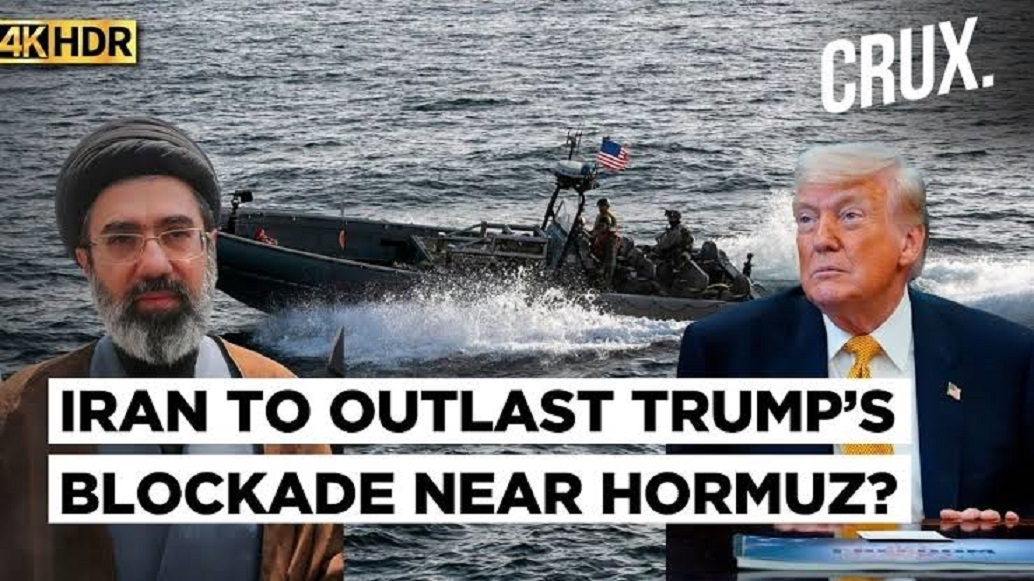
A confidential CIA analysis delivered to administration policymakers this week concludes that Iran can survive the U.S. naval blockade for at least three to four months before facing more severe economic hardship, four people familiar with the document said, a finding that appears to raise new questions about President Donald Trump’s optimism on ending the war, ‘The Washington Post’ reveals.
The analysis by the U.S. intelligence community, whose secret assessments on Iran have often been more sober than the administration’s public statements, also found that Tehran retains significant ballistic missile capabilities despite weeks of intense U.S. and Israeli bombardment, three of the people familiar with it said.
Iran retains about 75 percent of its prewar inventories of mobile launchers and about 70 percent of its prewar stockpiles of missiles, a U.S. official said. The official said there is evidence that the regime has been able to recover and reopen almost all of its underground storage facilities, repair some damaged missiles and even assemble some new missiles that were nearly complete when the war began.
Three current and one former U.S. official confirmed the outlines of the intelligence analysis, speaking on the condition of anonymity to discuss the sensitive matter.
Asked for comment, a senior U.S. intelligence official emphasized the blockade’s impact. “The President’s blockade is inflicting real, compounding damage — severing trade, crushing revenue, and accelerating systemic economic collapse,” the official, who was not authorized to speak on the record, said in a statement.
Trump, Defense Secretary Pete Hegseth and other officials have consistently presented the war as an overwhelming U.S. military victory, despite Iran’s rejection of Washington’s demands that it abandon nuclear enrichment, surrender its uranium stockpiles, reopen the Strait of Hormuz and take other steps.
One of the U.S. officials who spoke to The Washington Post said they thought Iran’s capacity to endure prolonged economic hardship is far greater than even the CIA estimate. “The leadership has gotten more radical, determined and increasingly confident they can outlast U.S. political will and sustain domestic repression to check any resistance” inside Iran, the official said. “Comparatively, you see similar regimes lasting years under sustained embargoes and airpower-only wars.”Ask The Post AIDive deeper
Since the war began Feb. 28, Iran has effectively closed the Strait of Hormuz, a vital channel for shipping oil from the Persian Gulf.Ask The Post AIDive deeper
A week after the ceasefire was reached April 7, Trump imposed a blockade on Iran, applying it to all ships entering or leaving Iranian ports.
US intelligence indicates limited new damage to Iran's nuclear program, sources say
U.S. intelligence assessments indicate that the time Iran would need to build a nuclear weapon has not changed since last summer, when analysts estimated that a U.S.-Israeli attack had pushed back the timeline to up to a year, according to three sources familiar with the matter, Reuters reports.
The assessments of Tehran's nuclear program remain broadly unchanged even after two months of a war that U.S. President Donald Trump launched in part to stop the Islamic Republic from developing a nuclear bomb.
The war has stalled since the U.S. and Iran agreed an April 7 truce to pursue peace. Tensions remain high as both sides appear deeply divided, and as Iran has choked traffic through the Strait of Hormuz, blocking some 20% of world oil supplies and igniting a global energy crisis.
read more in our Telegram-channel https://t.me/The_International_Affairs

















