РУССКИЙ
 9:30 29.11.2026 •
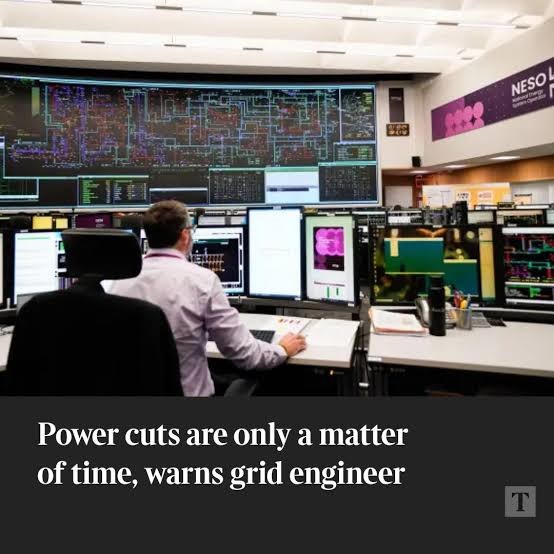
The National Energy System Operator (NESO) issued electricity margin notices (EMNs) for Thursday – the third alert this week (!) – as network bottlenecks forced it to replace wind power that could not be transported, The Telegraph reports.
NESO insisted the latest warning was “routine and precautionary” and did not signal imminent power cuts.
However, the alert has renewed scrutiny of the UK’s energy supplies as it becomes increasingly reliant on intermittent renewables.
The latest scramble is expected to result in a flurry of expensive and last-minute trades for replacement power that will end up costing billpayers millions of pounds.
It comes after NESO was forced to buy back large amounts of power at a premium earlier this week after issuing two previous shortfall warnings.
The cost of so-called balancing actions reached more than £6m on Thursday, according to a tracker website, with the total costs related to wasted wind exceeding £2bn so far in 2026.
Ms Porter said: “NESO has to curtail this wind but then the market is short once it’s taken away.
“So NESO has to bring up gas plant in the balancing mechanism and buy back the exports. It could curtail this wind the day before delivery, to stop the market behaving as if it’s real, but for some reason it doesn’t.
“So regularly now we see NESO doing expensive last-minute balancing actions instead of planning ahead properly.”
Wind farms in Scotland and the North are often paid to switch off – a practice known as curtailment – when the grid is too congested to carry their power further south.
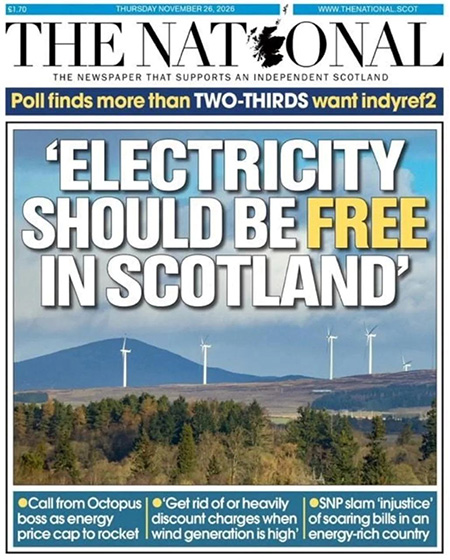
The chief executive of the UK's largest energy supplier has said Scottish consumers should receive heavily discounted, or even free, electricity during periods of high wind generation.
Greg Jackson, CEO and founder of Octopus Energy, called for electricity prices to be decoupled from the cost of gas and for consumers to benefit from Scotland's abundant renewable energy generation.
It comes after Ofgem announced on Wednesday morning that the energy price cap would rise by 26% from January 1, taking annual bills for a typical household from £1723 to £2166 if the cap remained at that level for a year.
“The big problem we’ve got is the UK energy system is broken and without policy change what you’re going to see is electricity bills will keep going up every year thereafter regardless of what happens to wholesale prices.”
Jackson argued that household were being denied the benefits of the country’s renewable energy resources because of the way the electricity market operates.
“The biggest thing we can do is break the link between prices and gas prices so that we can get the benefit of all our own electricity generation,” he said.
He also called for electricity to be offered to consumers at heavily discounted rates, or even for free, during periods of high wind generation, rather than paying wind farms to switch off.
Jackson said that £14 million had been spent on Tuesday paying gas generators in the south of England to replace electricity that could have been generated by Scottish wind farms.
Octopus has long been vocal in urging ministers to reform the electricity market through the introduction of zonal pricing.
The system would split the UK into several geographical zones, with electricity prices varying according to local supply and demand.
The company has previously argued that such a system could give Scotland some of the cheapest wholesale electricity prices in Europe thanks to its abundance of renewable energy generation.
However, the UK Government has said it will not split the country's energy market into regions if doing so would result in higher bills for consumers in some parts of the country.
Speaking to The National in August following the previous price cap announcement, Jackson warned that Britain's continued exposure to volatile global gas prices was keeping household bills unnecessarily high.
He said: “We urgently need to reform the market, make better use of our wind, and let people benefit from cheaper prices when green energy is abundant.”
The latest price cap rise has sparked widespread condemnation in Scotland, with First Minister John Swinney urging the Prime Minister to take urgent action to bring down bills.
“Scotland’s energy sends billions in revenue to the Treasury, yet our bills are skyrocketing,” Swinney said.
read more in our Telegram-channel https://t.me/The_International_Affairs