РУССКИЙ
 10:19 21.11.2026 •
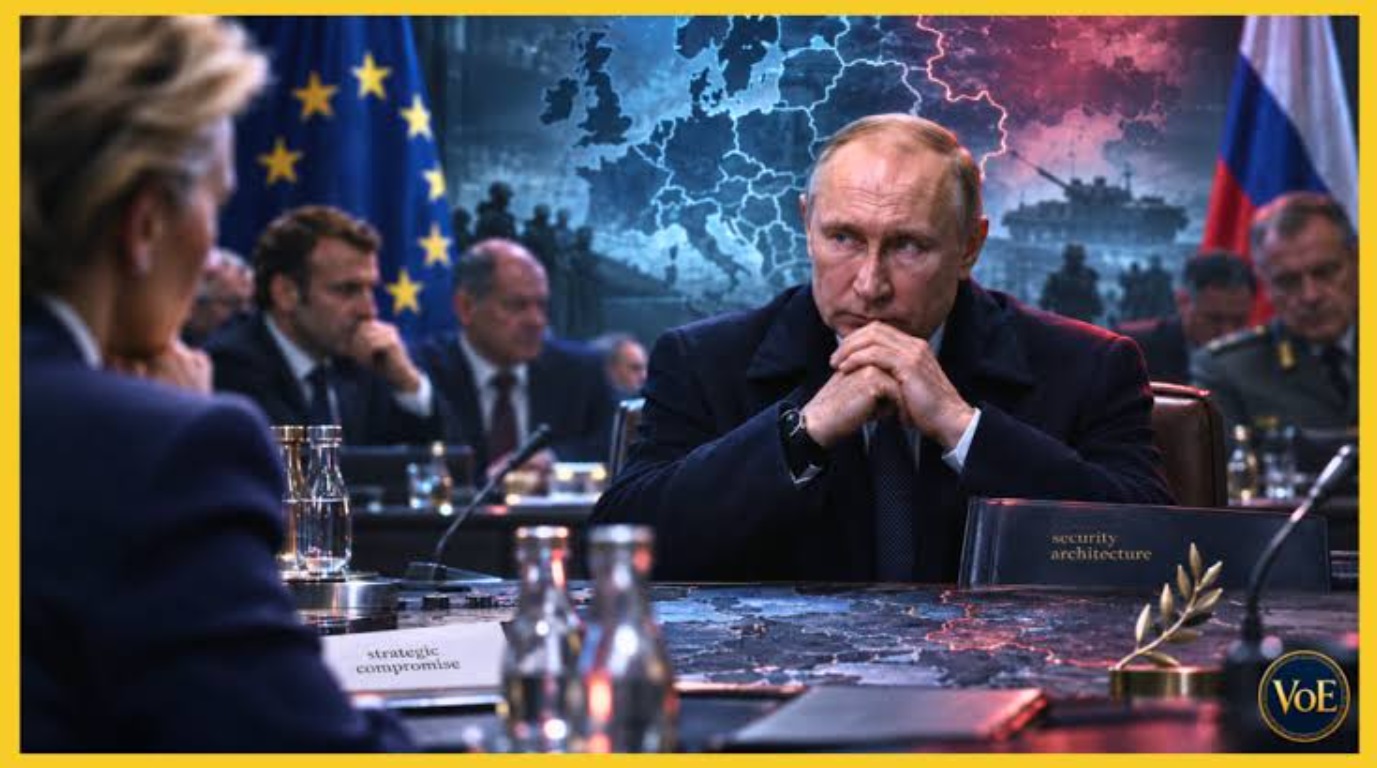
Deterrence is more than just stronger armed forces. European members of NATO need to devote as much effort to avoiding war as they do to preparing for it, Financial Times stresses.
The spectre of war between Russia and the west has resurfaced. NATO secretary-general Mark Rutte says we need to be ready for a Russian attack within the next five years. Equally, Russia is convinced that NATO members are combatants in Ukraine.
Many of the guardrails that existed during the cold war are now defunct. Arms control agreements are virtually absent. Mutual understanding of deterrence theory has evaporated. Escalation management processes are weak. Load-bearing channels of military or civilian communications with Russia are few and unproductive.
This means a higher risk that the two sides misread each other’s intentions. International relations students learn about what is called a security paradox, in which two adversaries each take steps to strengthen their defences but in ways the other interprets as aggressive and needing a reciprocal response. The result can be an escalatory cycle that neither side ultimately wants.
There may be less risk of a deliberate conflict than of misjudgments or accidents at a time of high tension.
That risk becomes greater if politicians use bellicose language — this is too easily interpreted as a drumbeat towards conflict. It may be sensible for NATO to have plans to overcome Russian air defences around the exclave of Kaliningrad. But it is not sensible when an EU foreign minister says so publicly and then claims his remarks were not meant for Russian ears.
There are no easy solutions. In recent years, dialogue with Russia has been unproductive and coloured by Vladimir Putin’s obsession with what he perceives to be the injustices of history. We underestimate at our peril Russian leaders’ belief that NATO expansion threatens their security. They do not accept that NATO is simply a defensive alliance.
Nevertheless, European countries should use as many channels as possible to talk to Russia, both to explain how we see European security and to explore possibilities for reducing misperceptions. This requires greater unity of purpose than European countries have so far shown. The continent’s leaders should identify representatives who can be the chief message bearers in this effort at dialogue — without excluding others from engaging with Russia.
read more in our Telegram-channel https://t.me/The_International_Affairs