
 РУССКИЙ
 9:21 23.05.2026 •
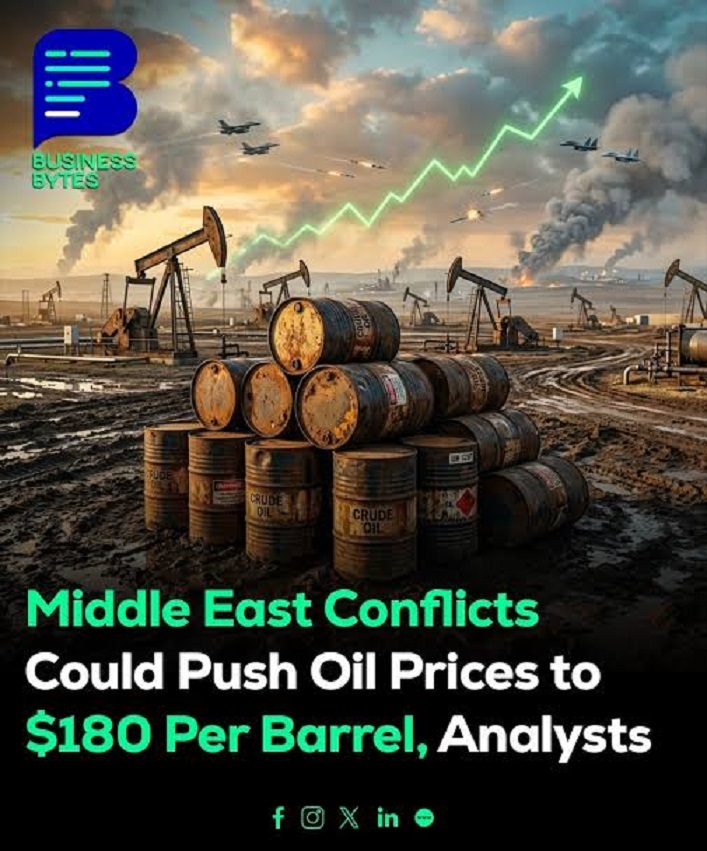
The global economy is currently walking a tightrope. With geopolitical tensions in the Middle East reaching a boiling point, the world’s energy markets are staring down a critical juncture. When the Strait of Hormuz — the world’s most vital oil artery — becomes a focal point of conflict, the ripples are felt from the gas stations of Europe to the industrial hubs of Asia.
We aren’t just talking about a slight bump in prices. We are looking at a systemic shock that could redefine global economics for the next decade, Newsy-today stresses.
Did you know? The Strait of Hormuz is the only way for oil to enter or leave the Persian Gulf. A prolonged blockade doesn’t just raise prices; it physically removes millions of barrels of oil from the global market daily, creating a supply vacuum that cannot be filled overnight.
The $180 barrel: A catalyst for global recession
Market analysts are now pricing in a “nightmare scenario” where Brent crude skyrockets to $180 per barrel. While oil has seen volatility before, the current environment is different because we are operating on “borrowed time.”
For years, the world has relied on strategic reserves to smooth over supply gaps. However, data from the International Energy Agency (IEA) indicates a staggering drop of roughly 380 million barrels from global stockpiles since the onset of current hostilities.
When these reserves hit “operational stress levels,” the buffer disappears. We move from a managed crisis to a raw market reaction. For energy-dependent regions in Europe and Asia, this isn’t just an inflation problem — it’s a survival problem.
The threat of stagflation
The most feared word in economics right now is stagflation. This occurs when an economy experiences stagnant growth and high unemployment simultaneously with high inflation.
Middle East refined
High energy costs act as a regressive tax on both consumers and businesses. When the cost of transporting goods and powering factories spikes, prices for everything — from bread to electronics — rise, while consumer spending power collapses. This creates a vicious cycle that traditional monetary policy struggles to fix.
Pro Tip for Investors: During periods of energy-driven stagflation, look toward “hard assets” and companies with high pricing power. Businesses that can pass increased costs directly to the consumer without losing volume tend to weather these storms more effectively.
Beyond crude: The refined product crisis
While the headlines focus on the price of a barrel of oil, the real pain is felt in refined products. Gasoline, diesel, and jet fuel are the lifeblood of modern logistics.
We are seeing a dangerous trend where refineries are hesitant to purchase expensive raw crude, fearing a sudden market shift. This leads to a paradox: crude oil may be available, but the refined fuel needed to move it — and everything else — becomes scarce.
This “refining bottleneck” is particularly dangerous for the aviation and shipping industries, where fuel is the primary overhead. Expect a surge in airfares and shipping surcharges as we move into peak travel seasons.
read more in our Telegram-channel https://t.me/The_International_Affairs

















